My Cart ×
You have no items in your shopping cart.



|
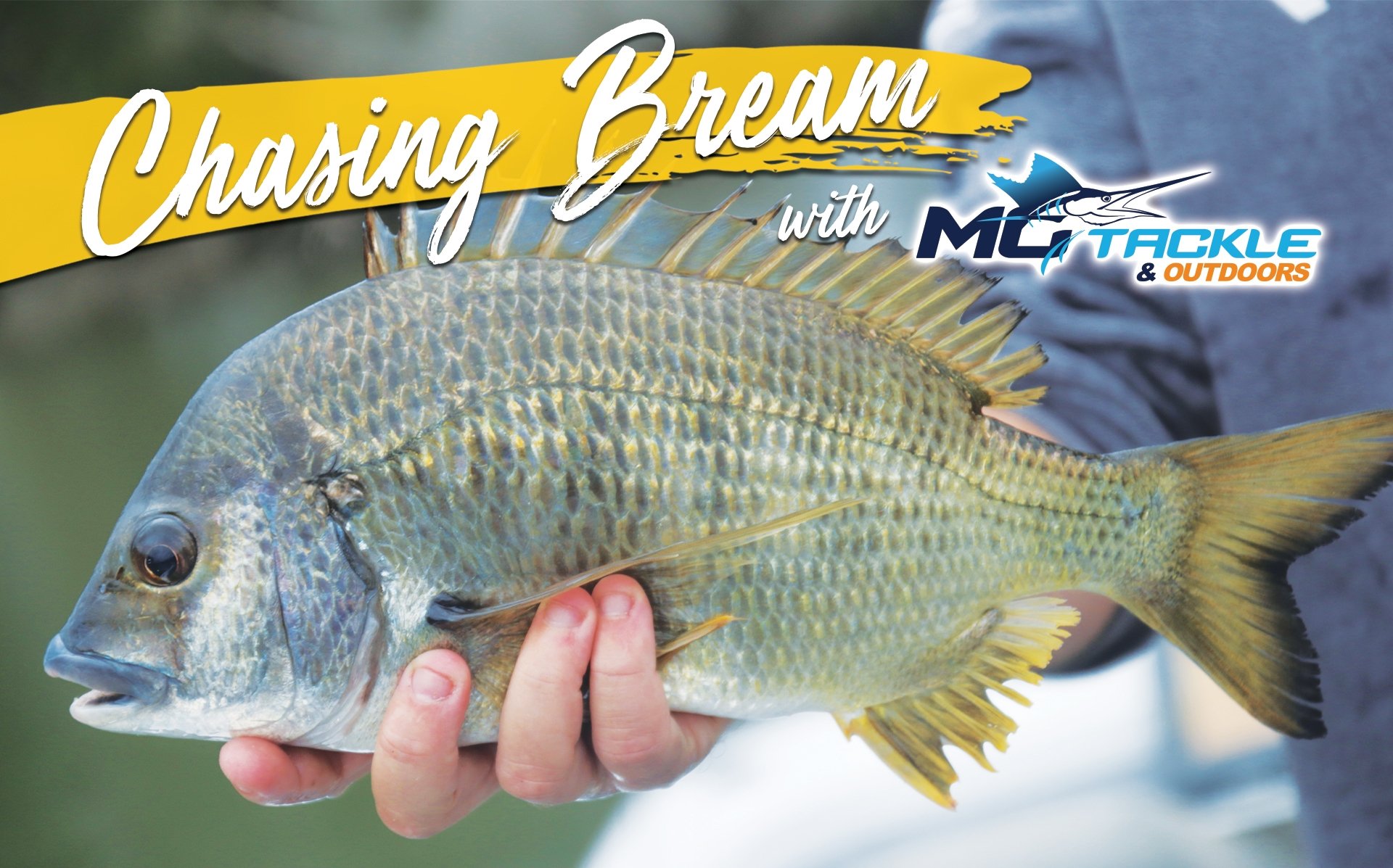
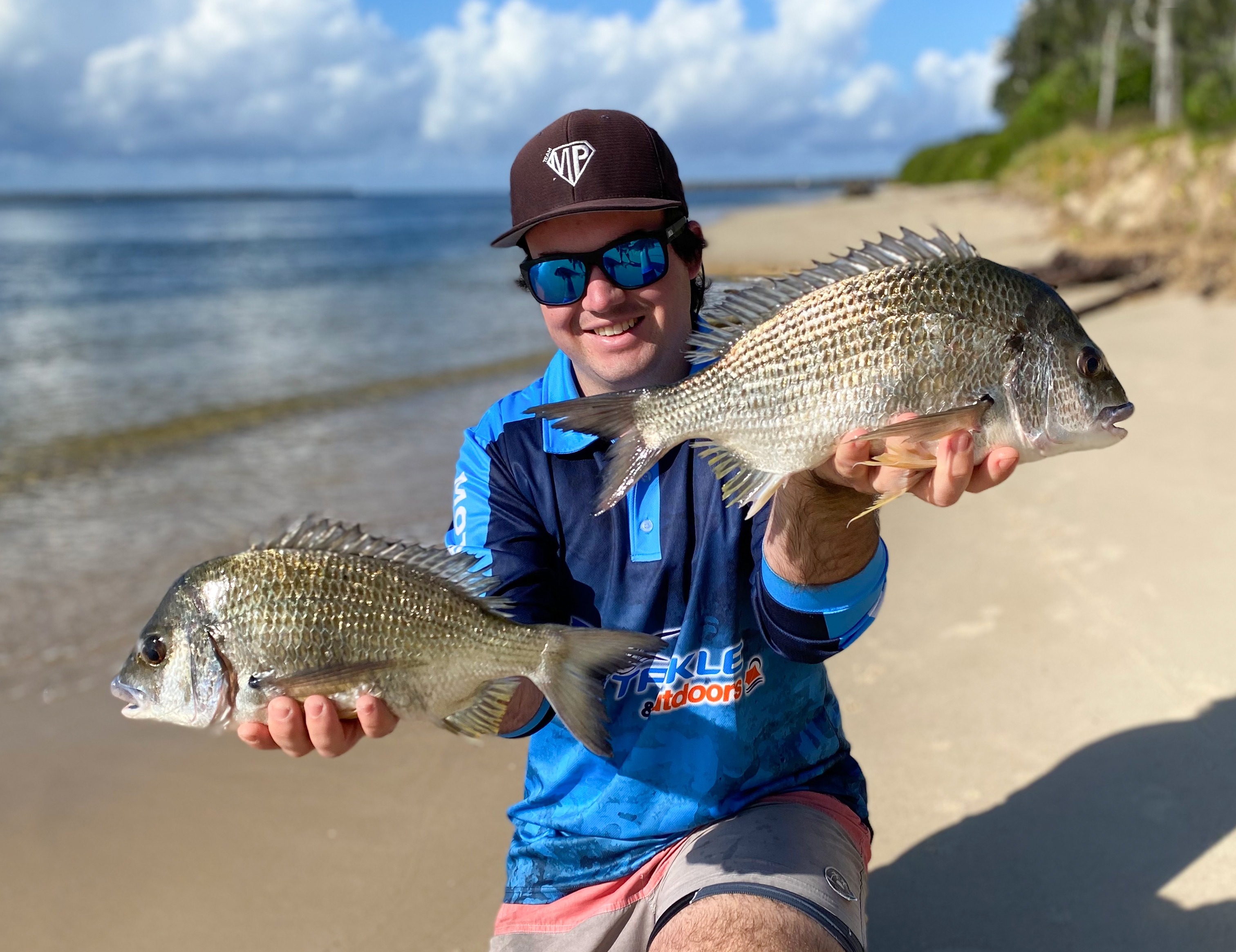
Bream would have to be one of the most readily accessible fish species along the east coast of Australia, with both Black and Yellowfin Bream found from as far south as Tasmania right up to Gladstone in QLD. For a relatively small fish they put up one hell of a fight. When running light lines, you really have to use the drag effectively as they can grow to over 50cm! Happily taking a wide range of baits, lures and flies, Bream are a great entry level fish to target right through to one of Australia’s most popular tournament scenes. Bream can be caught all year round with no closed seasons, however May to August is predominately the “big fish” season especially in tournaments as the Bream move to the front ocean end of river systems and onto beaches to spawn. Bream over the magic 1kg mark isn’t uncommon during this time. |
 |
 |
 |
 |
 |
 |
 |
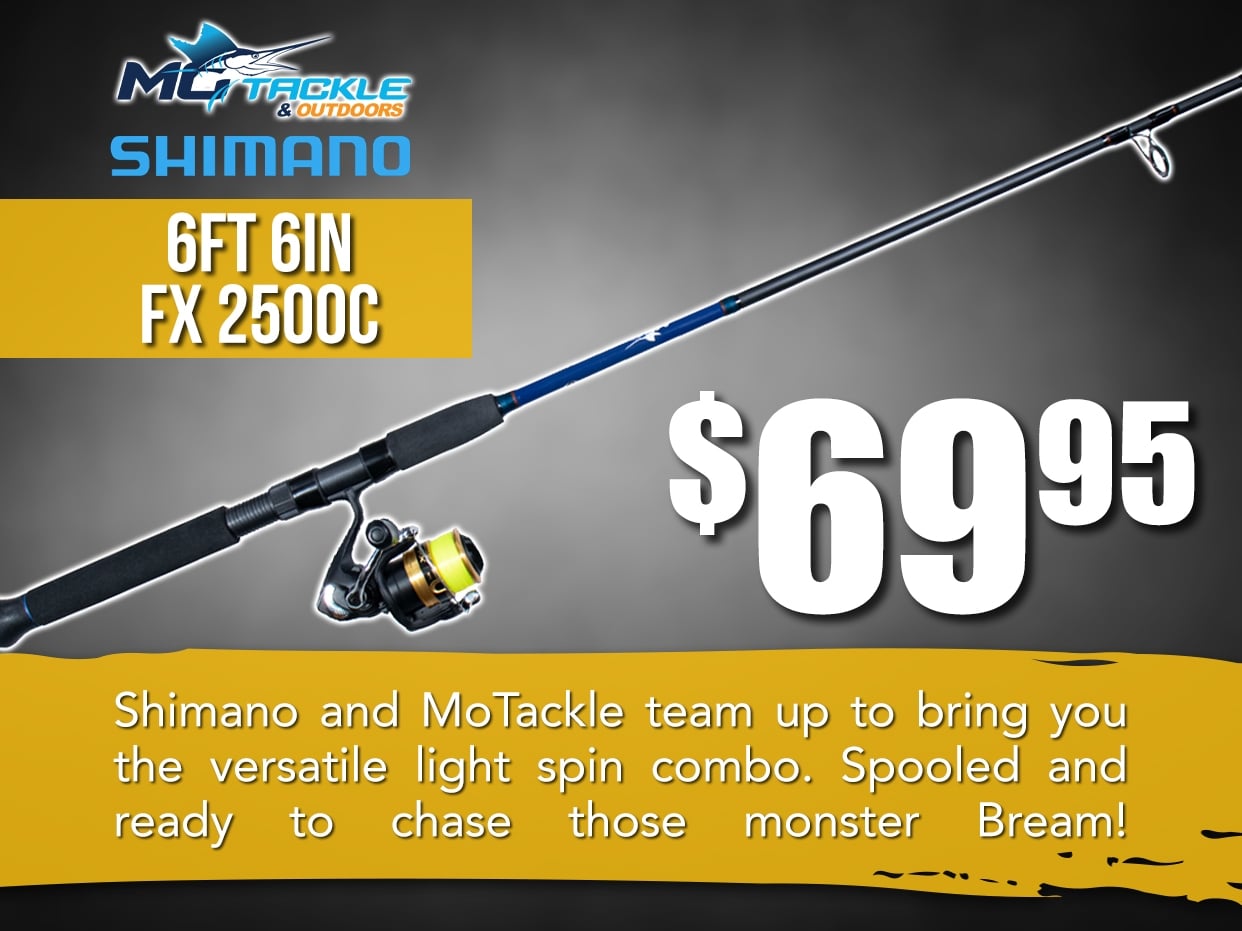 |
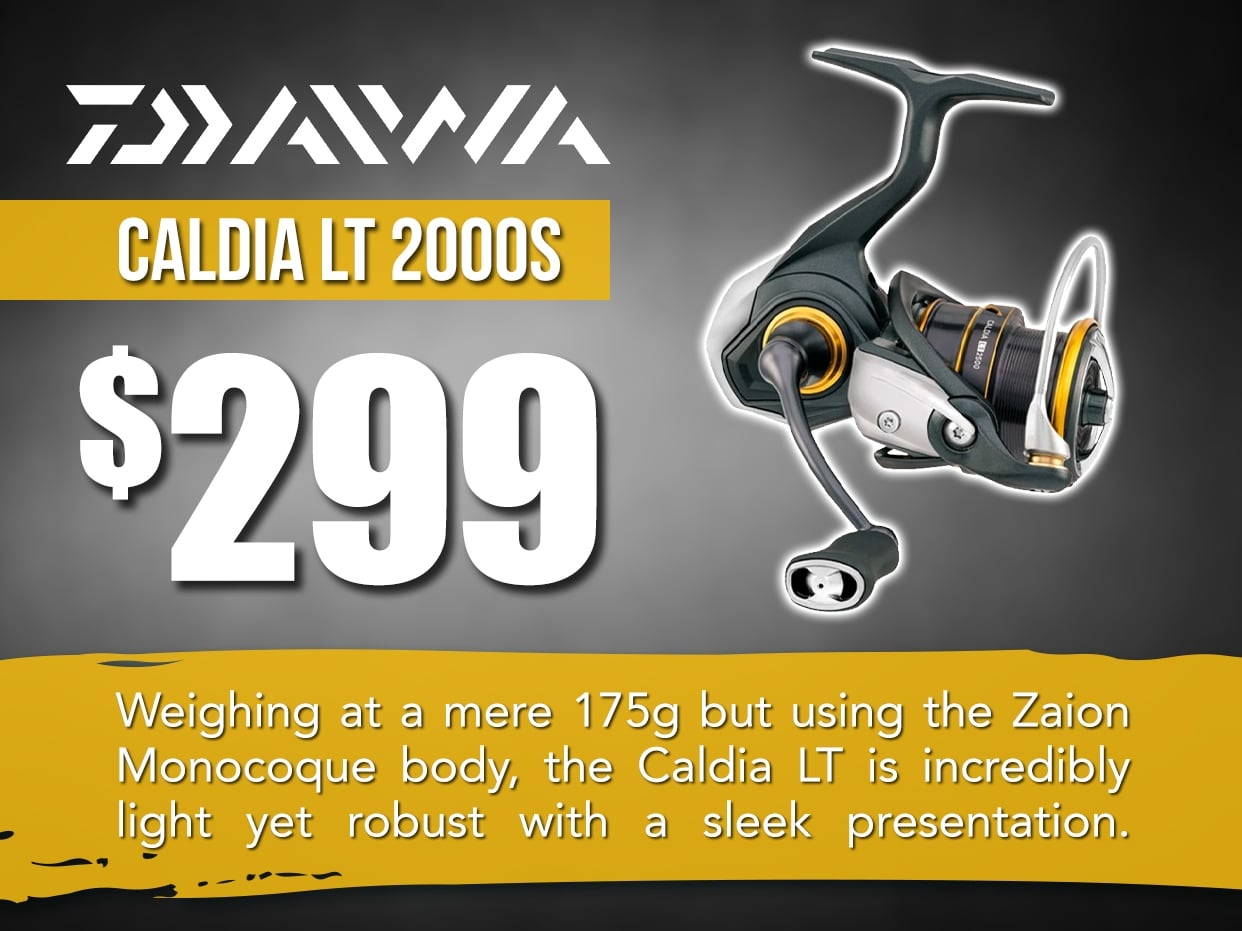
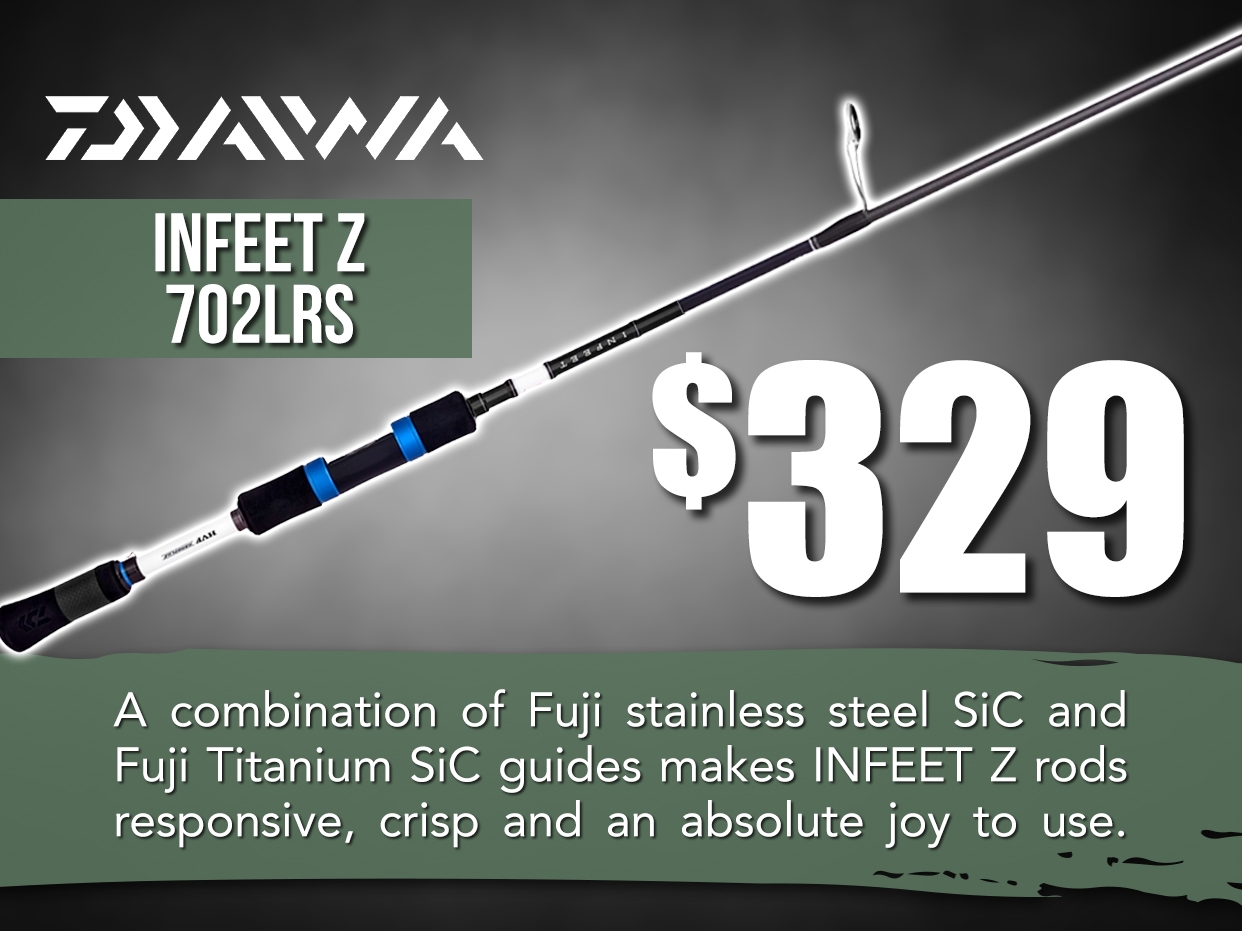
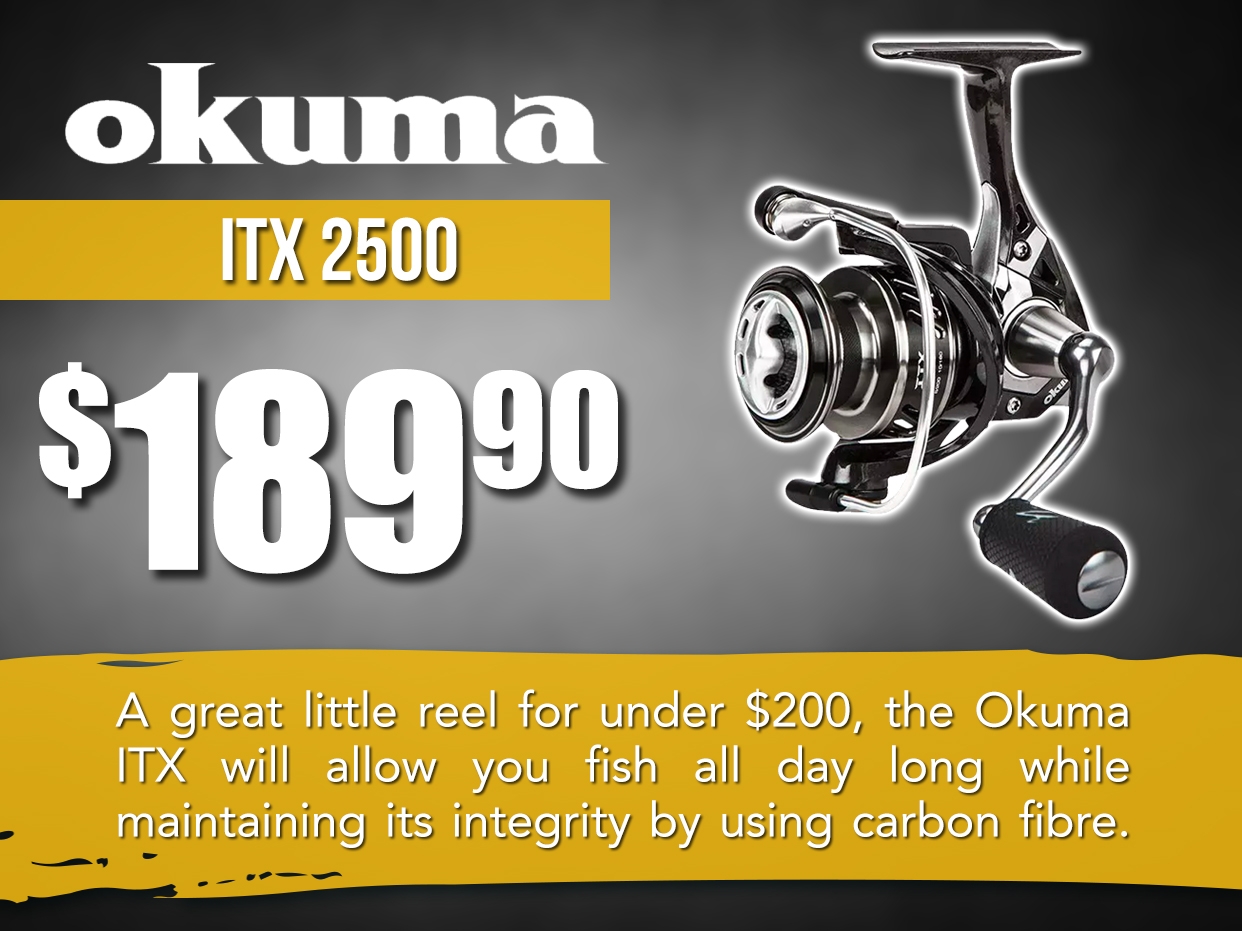
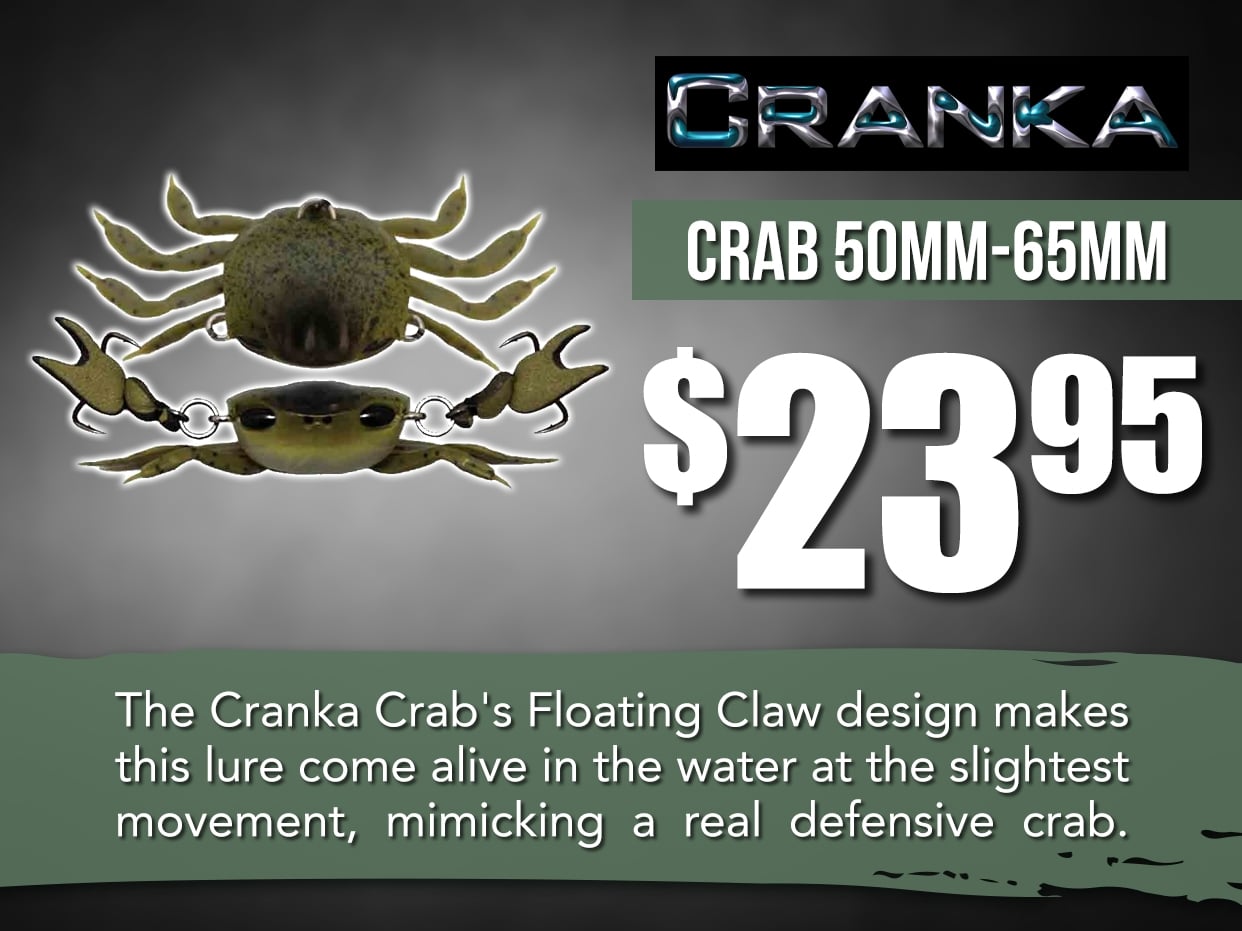
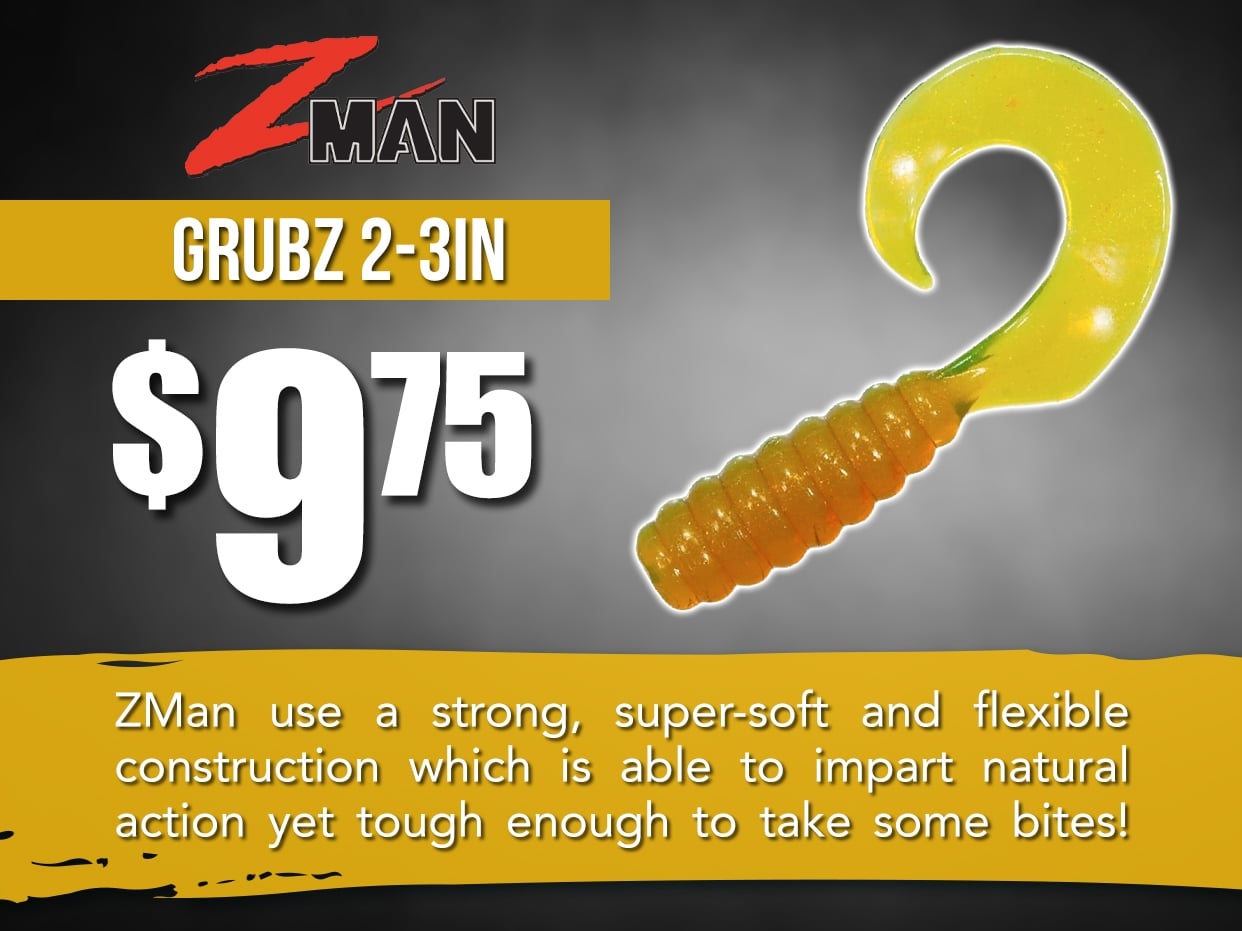
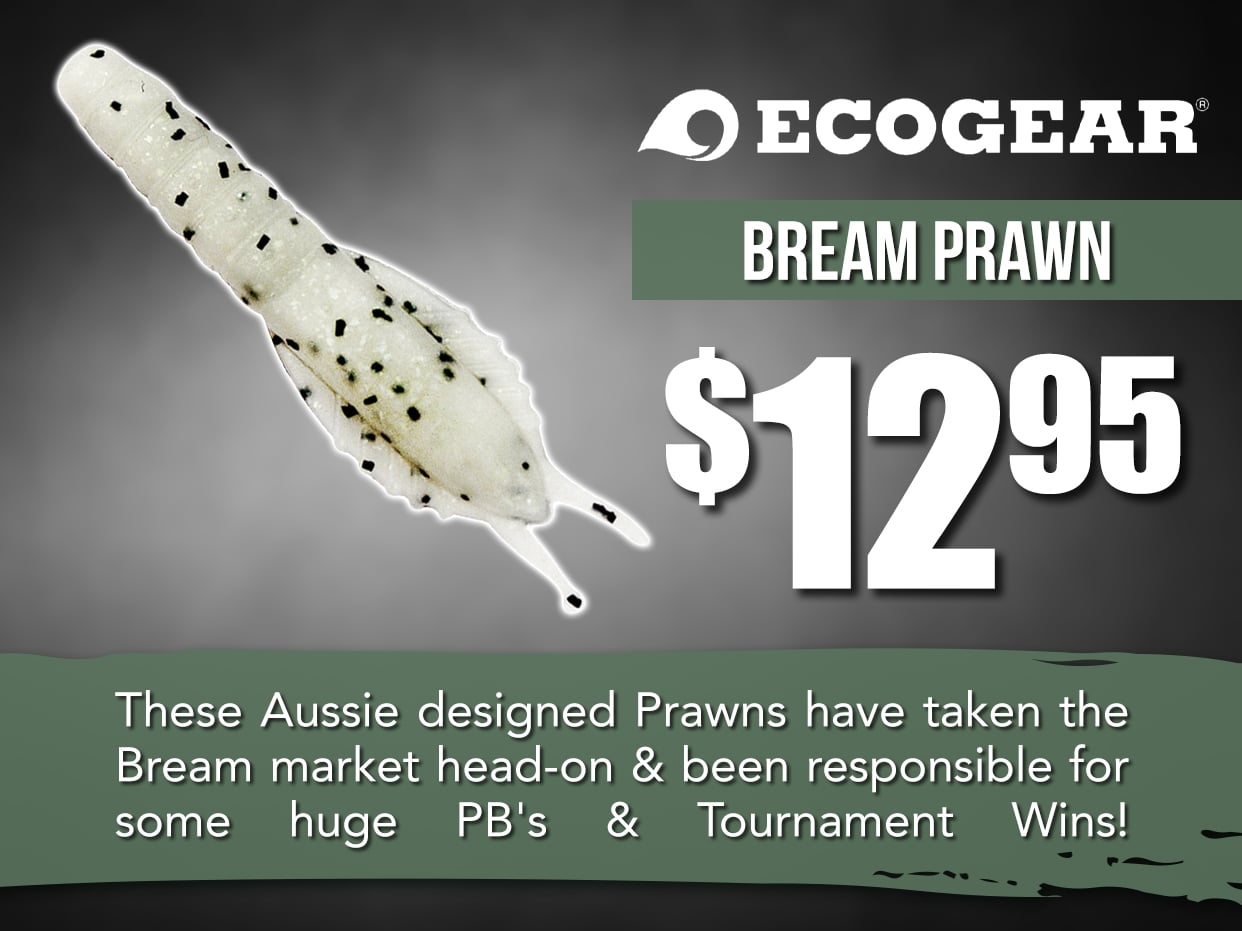
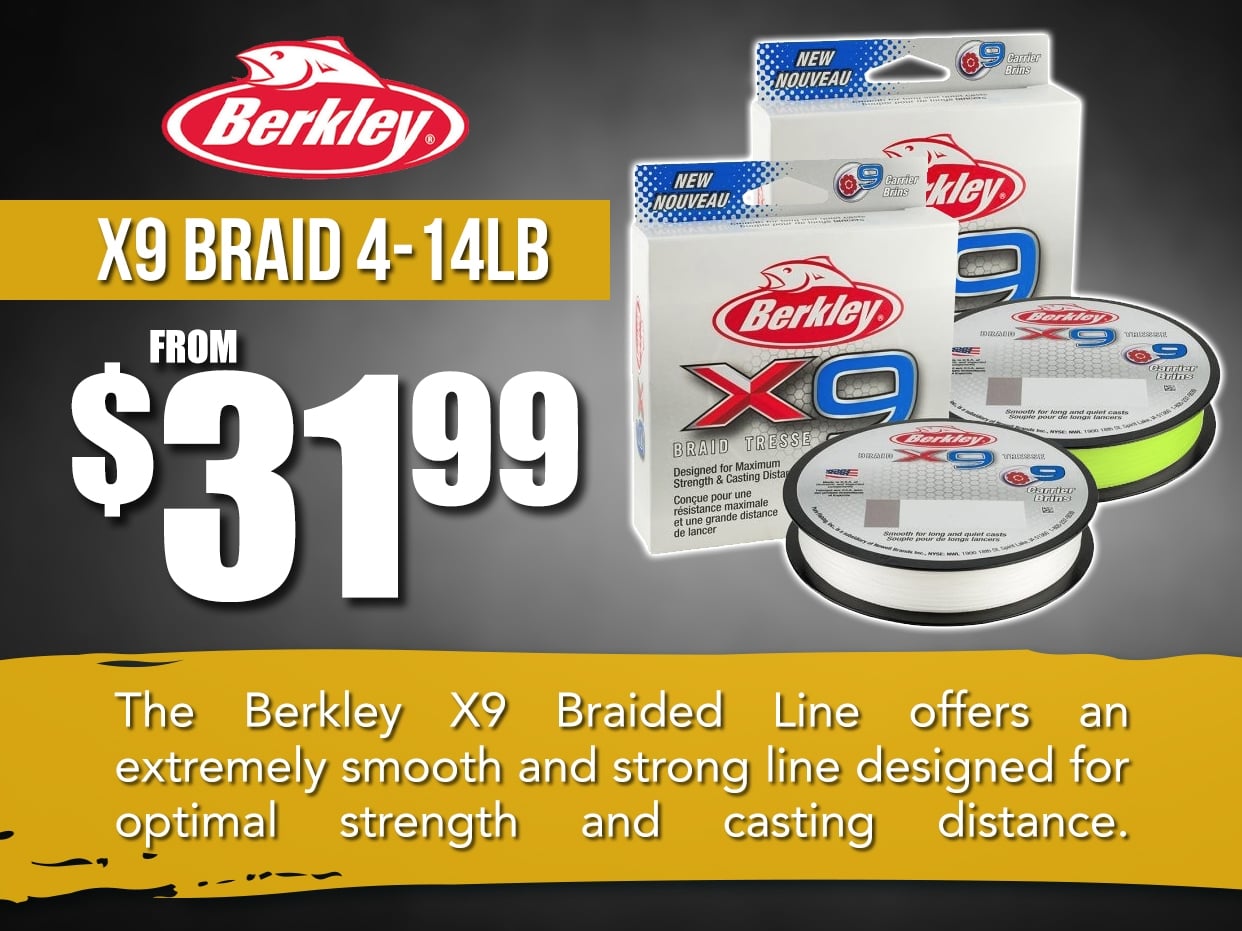
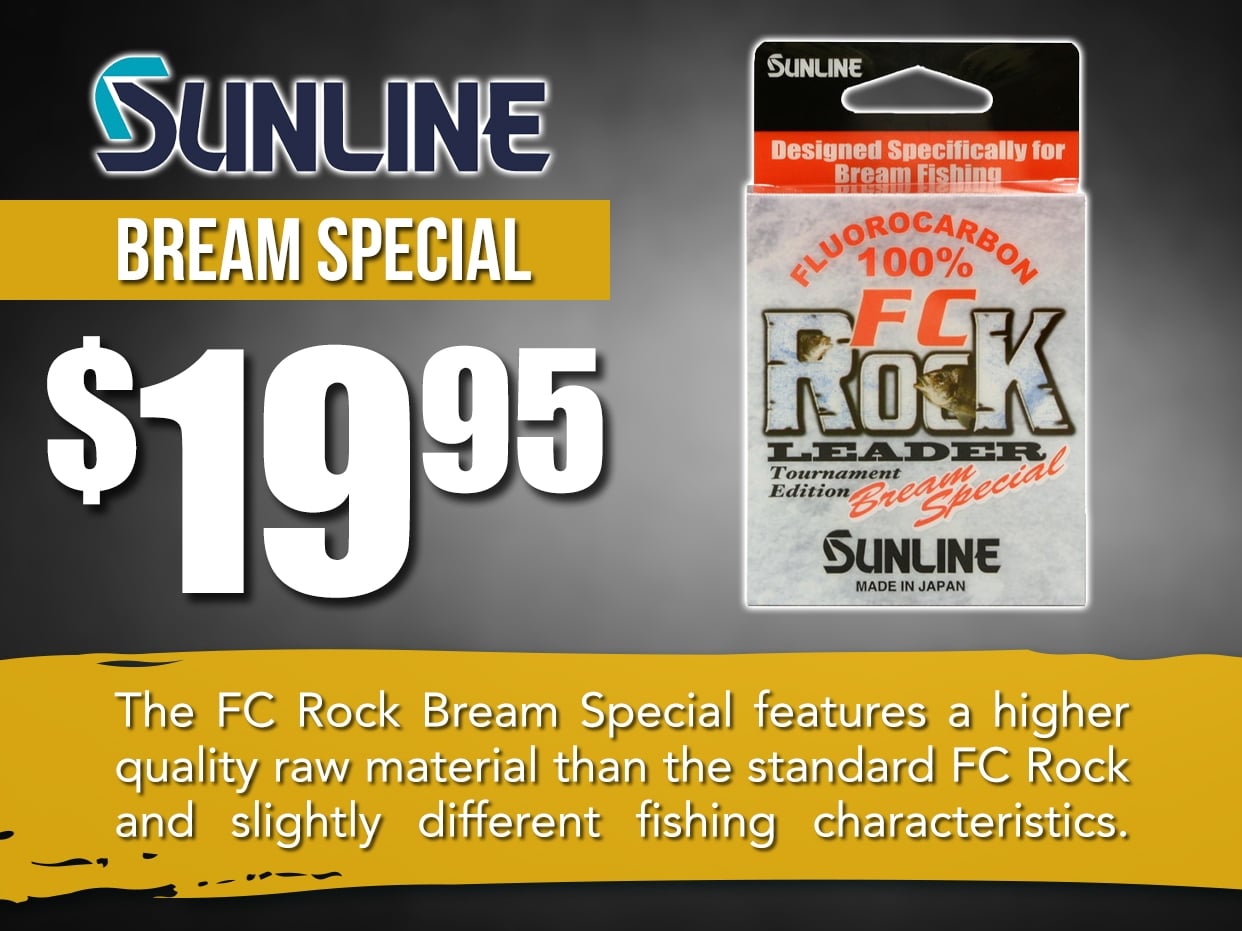
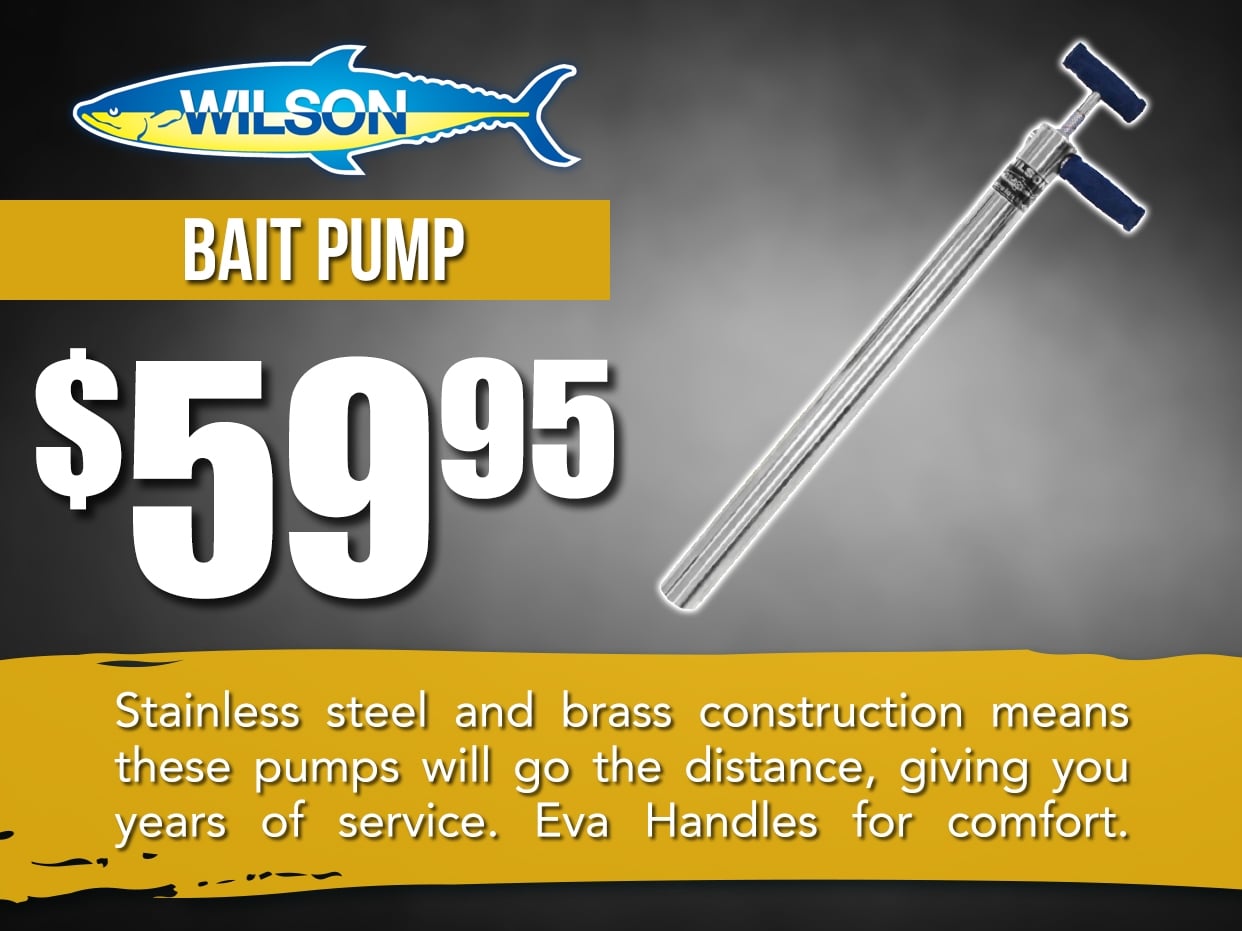
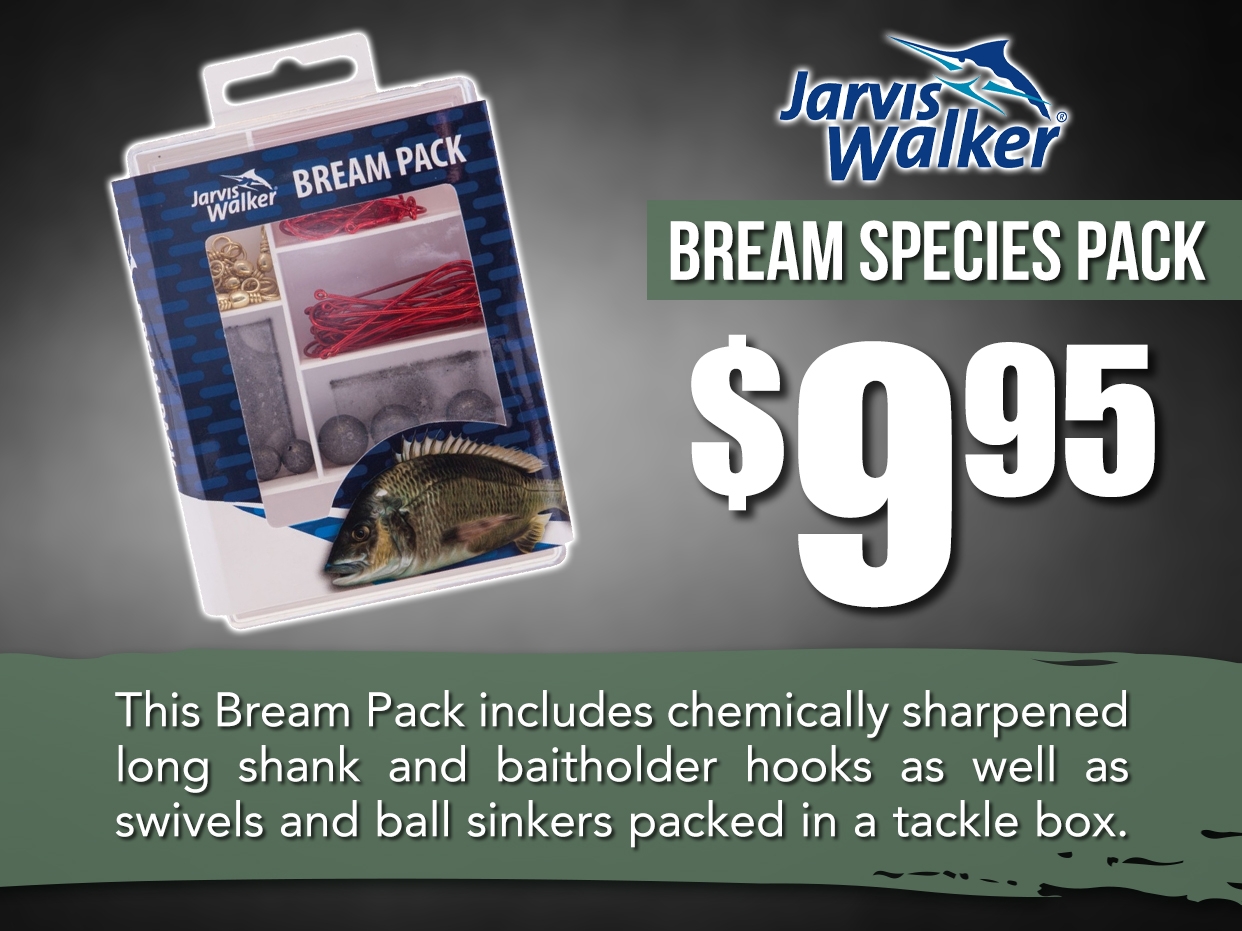
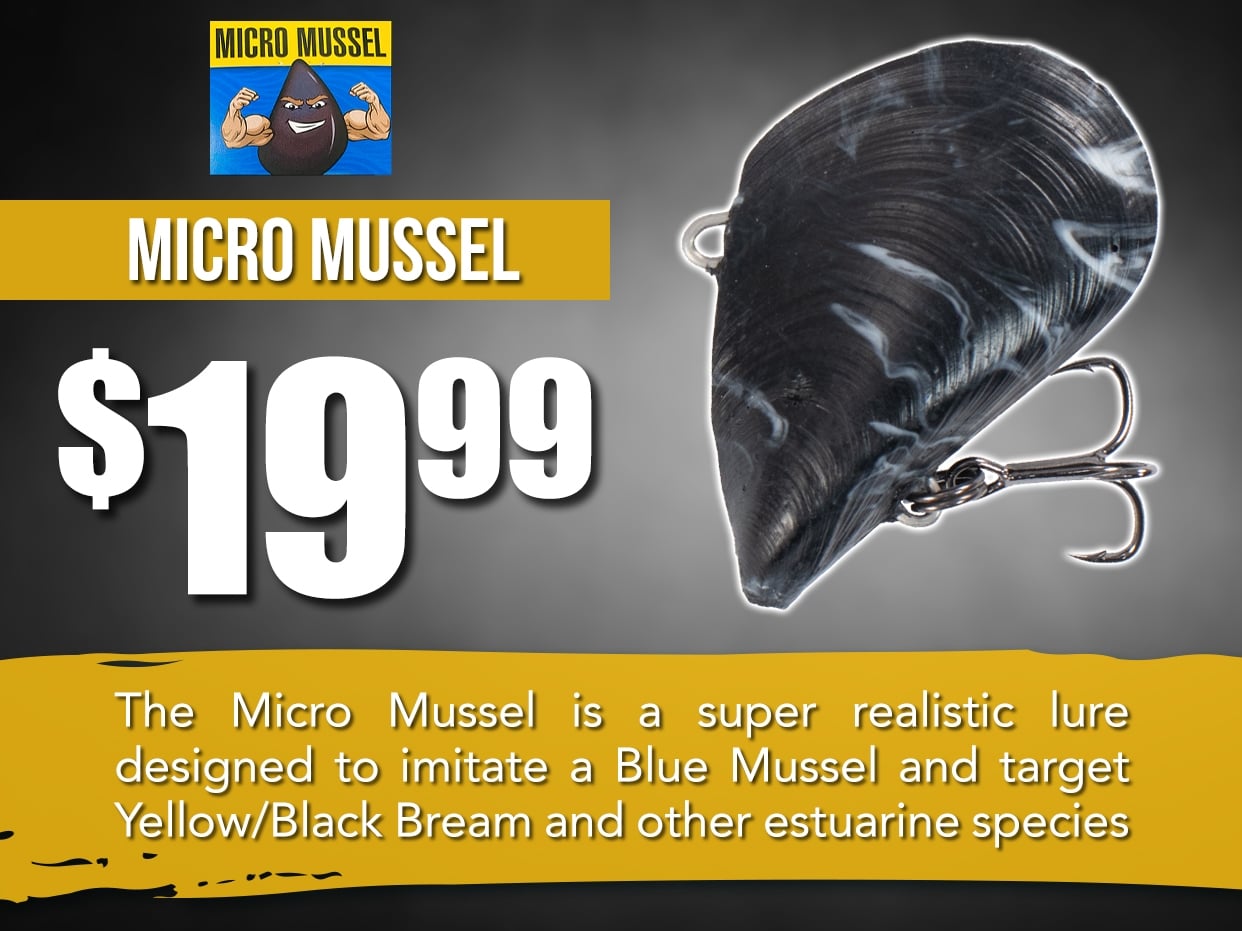
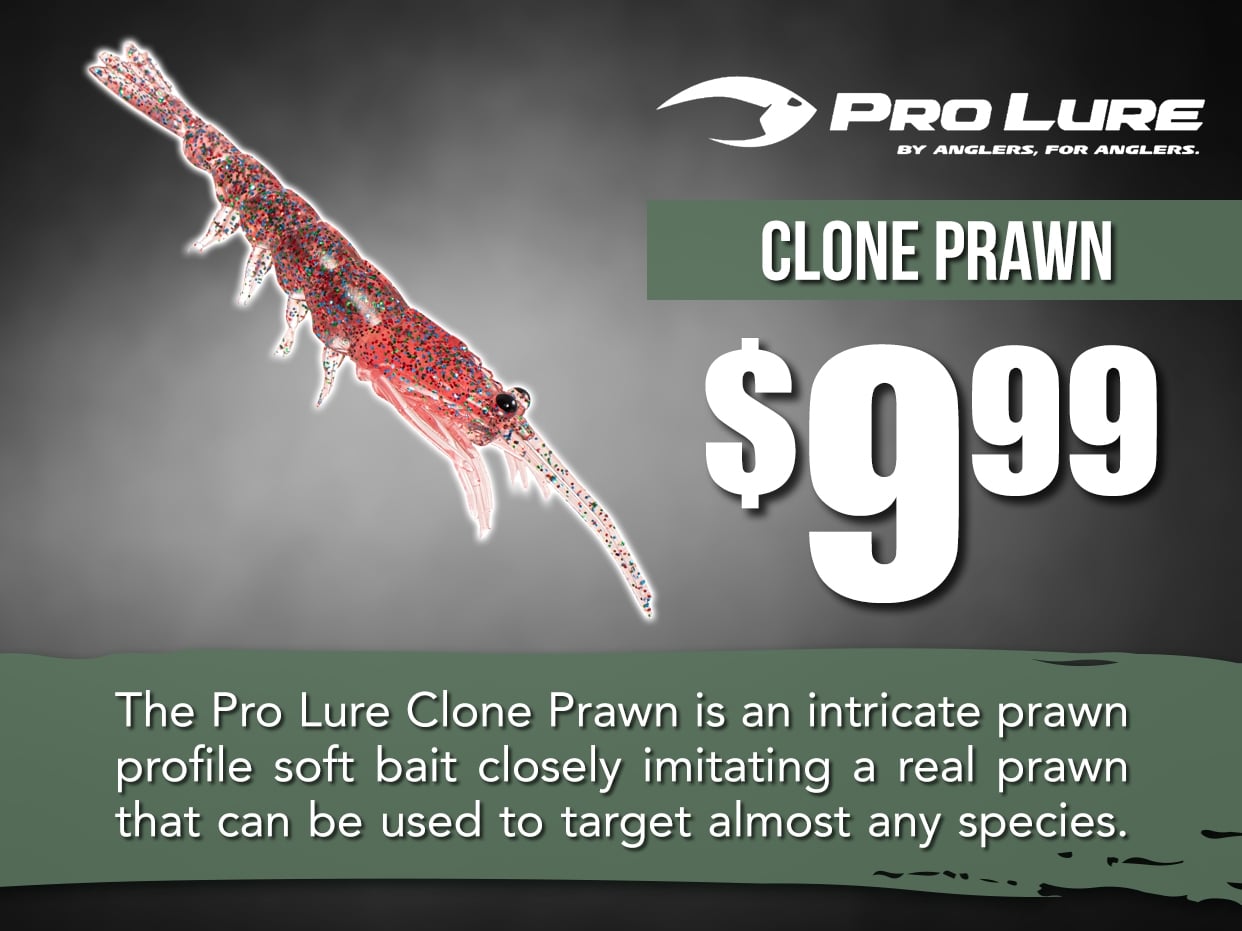
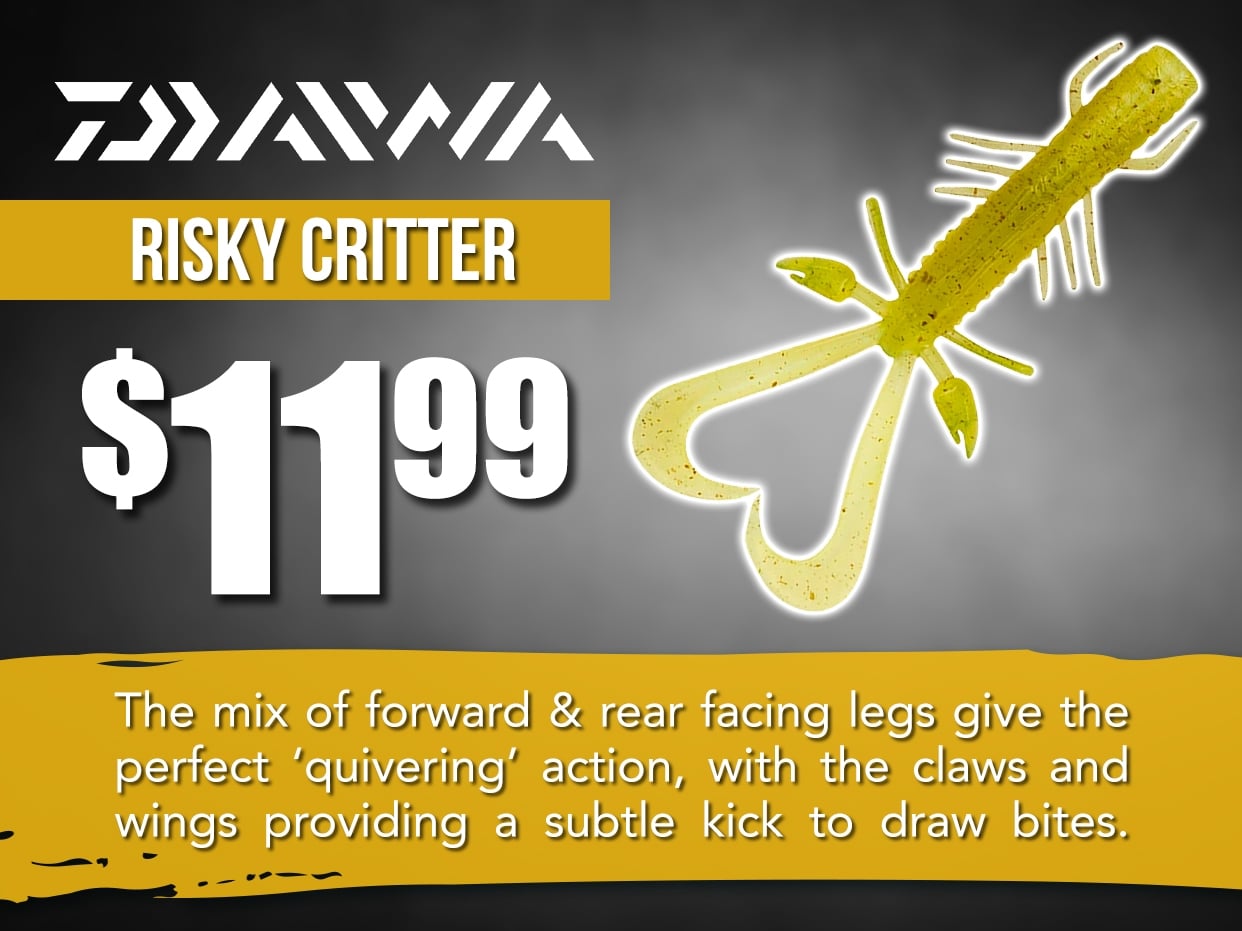
When targeting Bream, keep in mind they do have a fairly small mouth and while they’ve been known to take large bait and lures on occasion, smaller options such as 3in and under soft plastics, prawns or small mullet fillets and the fantastic Cranka Crabs are more ideal. Another great bait for Bream are yabbies/nippers which are easily accessible with a bait pump down at your local sand flat. Rigging them on a size 2 baitholder hook with a small size 1 running ball sinker on 4-14lb line can amount to a countless amount of Bream. When it comes to lures, a small soft plastic presentation from 2 to 3in are a great starting point. Depending on the depth you’re fishing and how fast the tide is running, using a 1/12oz-1/6oz jighead with a size 2-1/0 hook is recommended. If using Ecogear Bream Prawn’s however, depending on depth and current, use anywhere from a weightless worm hook up to 1/12oz on a 2-1/0 size hook. Ideally a braid and leader setup of 4-14lb on both with your leader at least a rod length as Bream can be quite line shy, however popular more so in the tournament scene is running straight through fluorocarbon. |
 |
 |
 |
 |
 |
 |
 |
 |
 |
 |
 |
 |
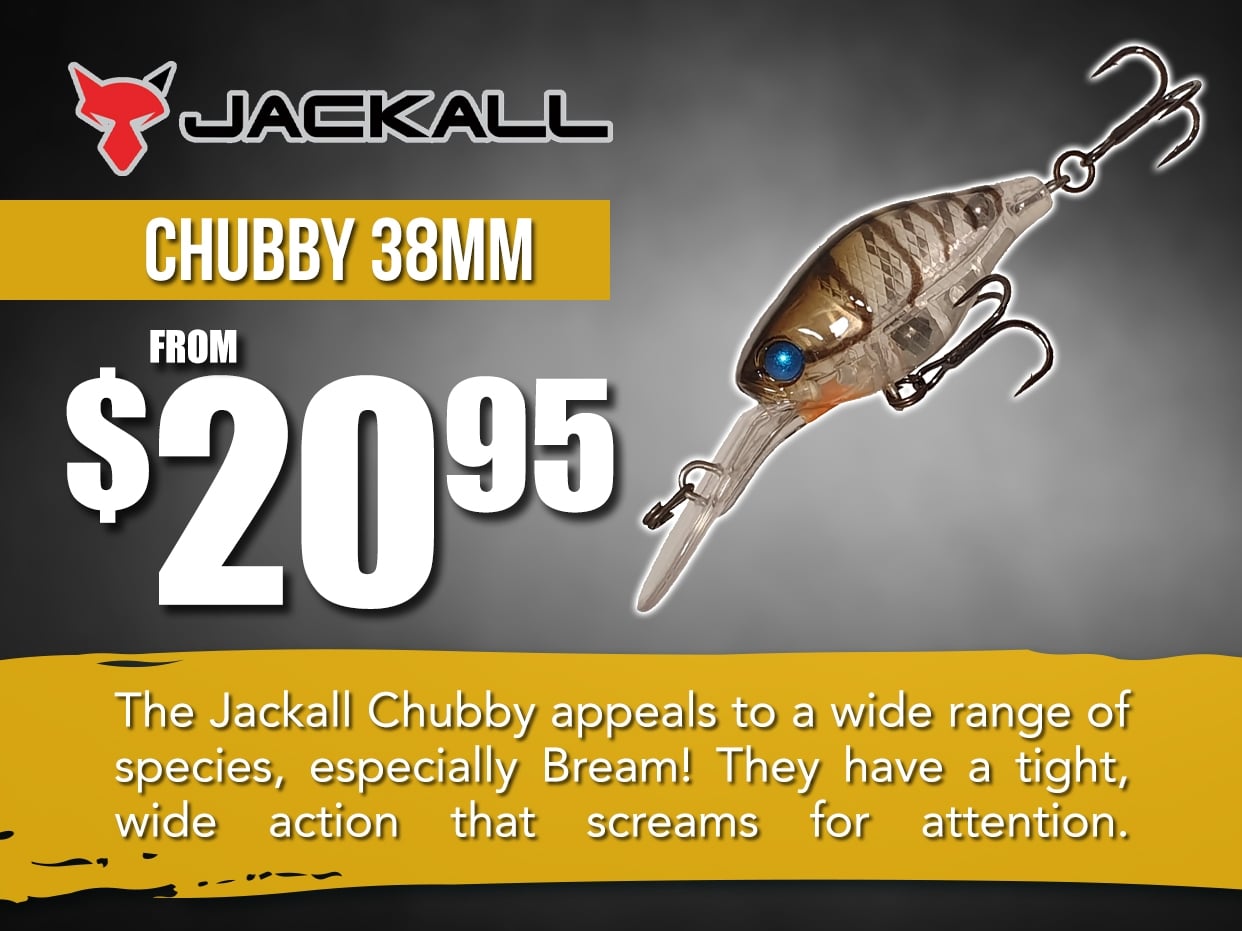
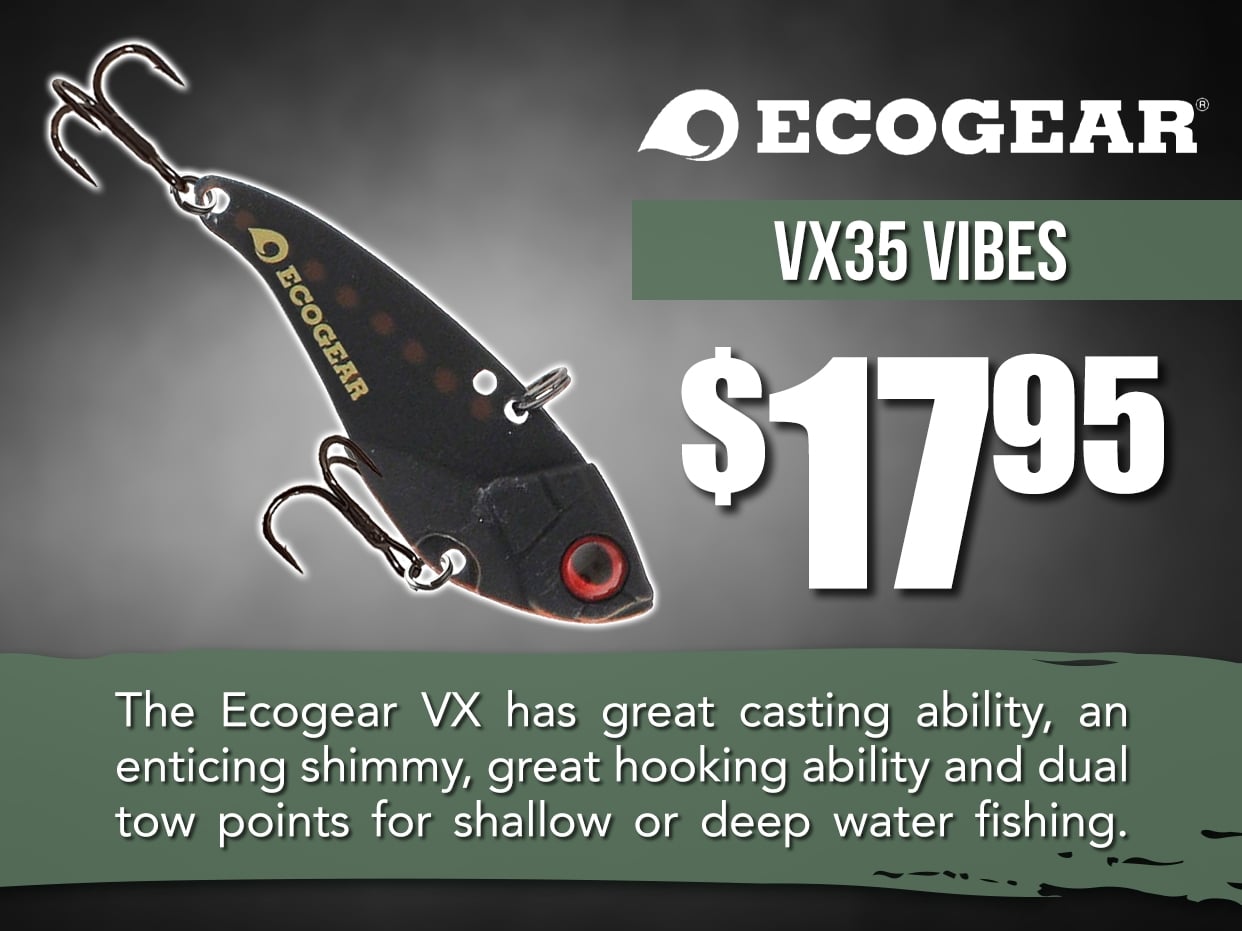
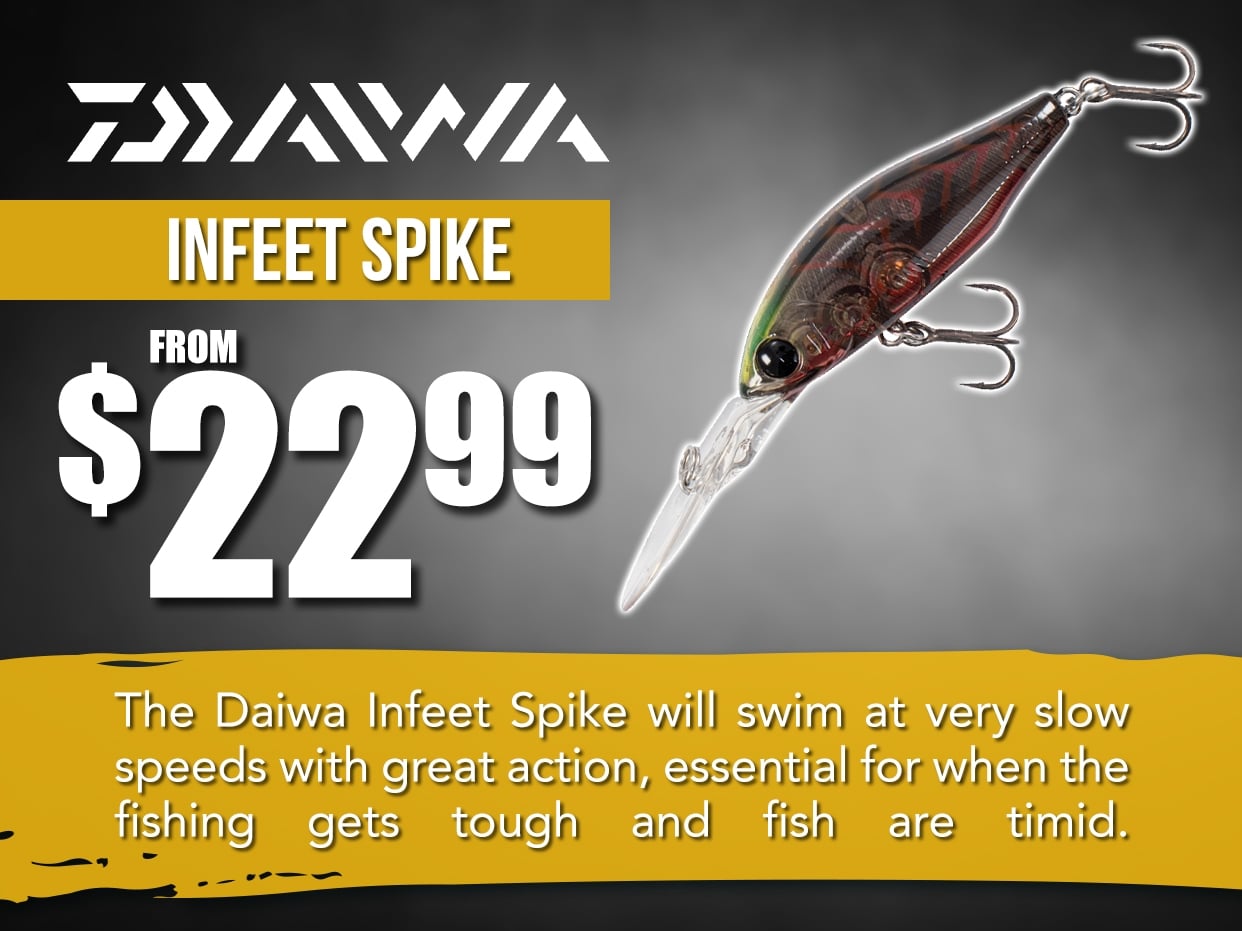
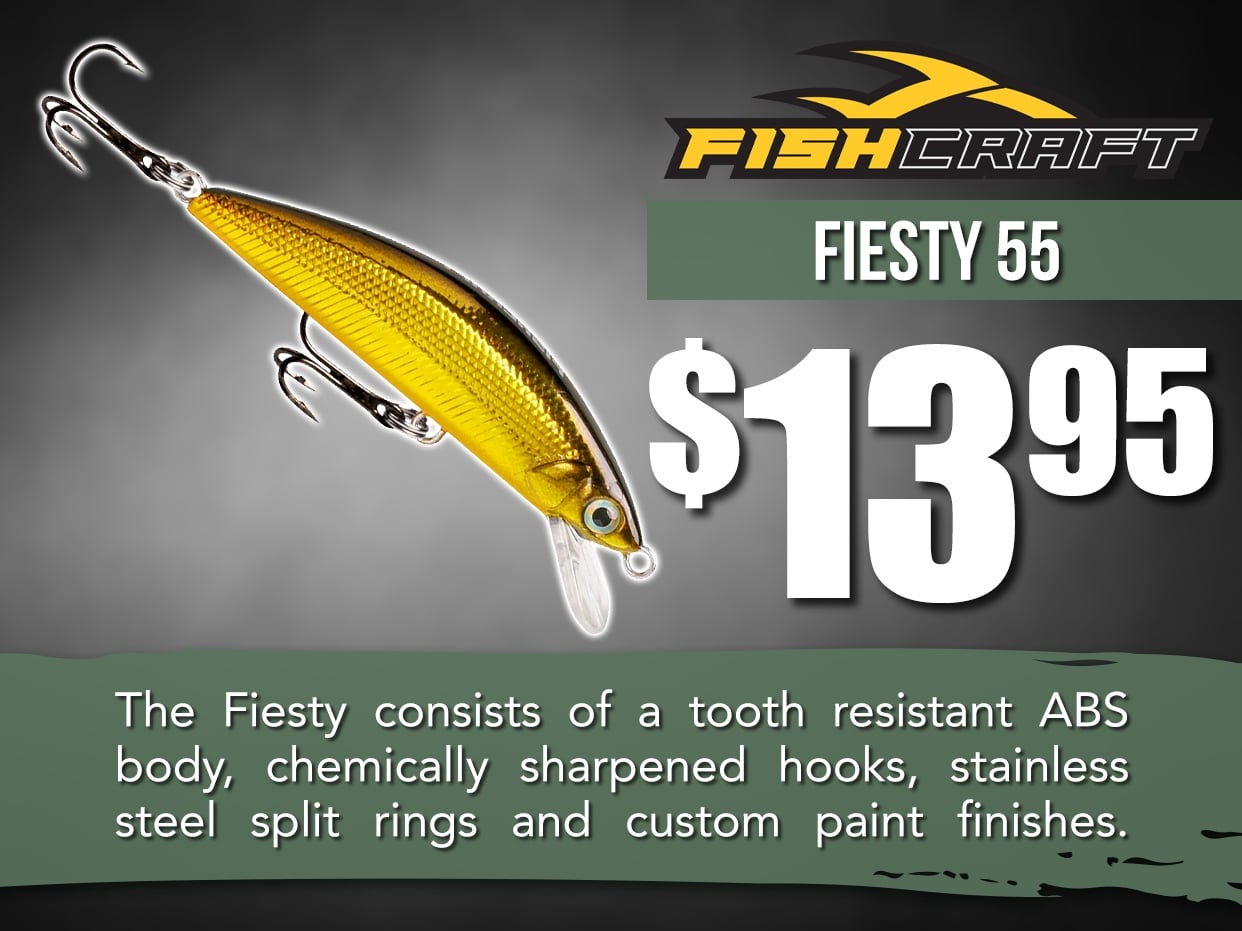
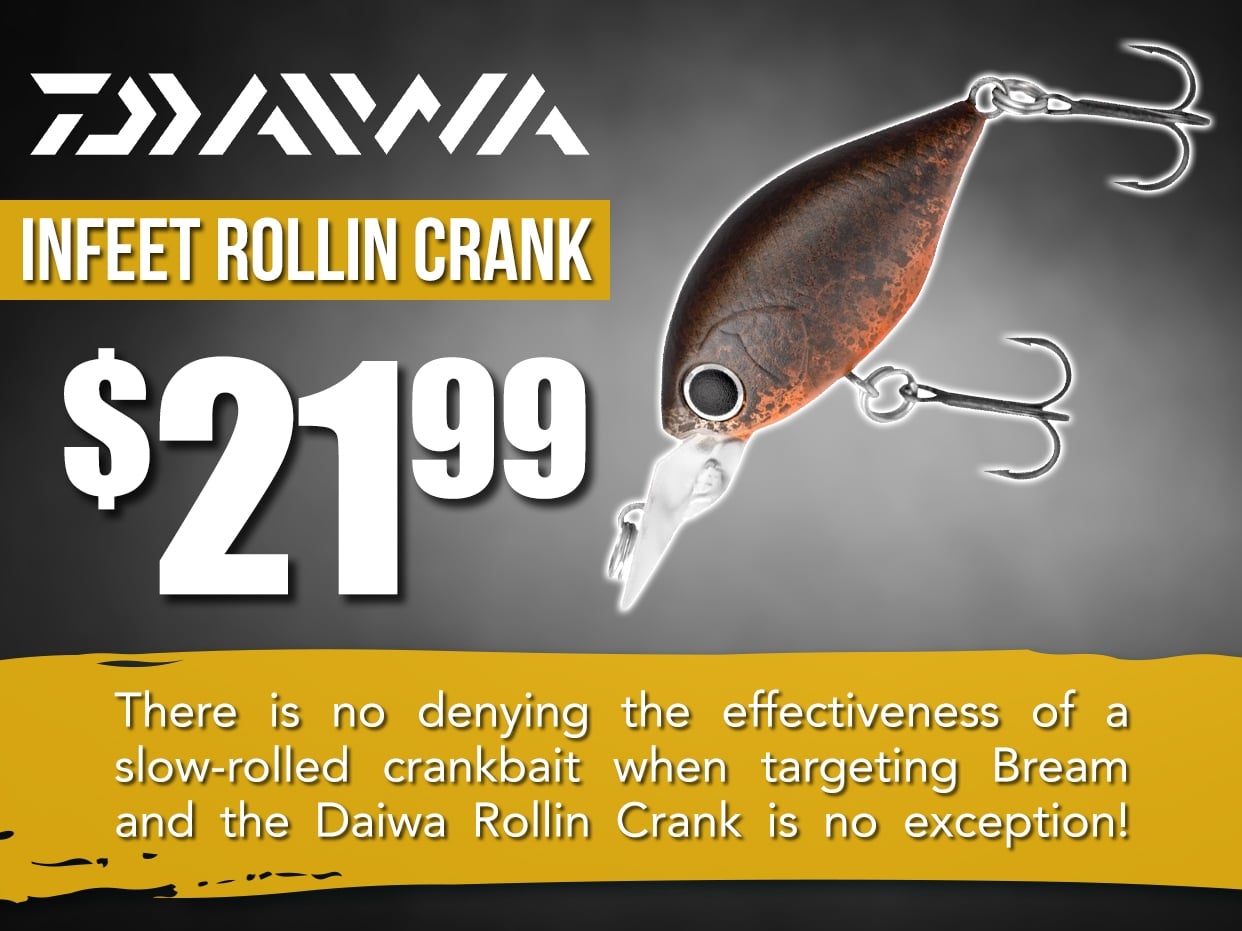
If you talk to any of the Bream tournament fishermen, you’ll find that almost all of them will have a Cranka Crab or 6 in their arsenal. They are arguably the best life-like imitation crab on the market - with floating foam claws that not only look like a crab in a defensive position but also allow for a low snag rate, replaceable legs and a wide range of colours in 2 sizes, it’s not hard to see why. Techniques for crabs are quite simple: A long cast towards rock walls, pylons and other structure, allow the lure to sink a few seconds and then give it a slow lift, so if your crab is sitting on a rock, the lift allows it to free fall down to a lower rock or stage of pylon. Try not to strike as the trebles in the claws are quite small but sharp, so once you feel the Bream bite or pick up and run with the crab, slowly lift your rod, keep the fight away from structure and hang on! Jackall Chubby’s, Daiwa Infeet Spikes and other hard body cranks are another great way to target Bream. Cast parallel to a rock wall or bridge pylon and allow the crankbait to hit and deflect off structure which can entice a Bream feeding frenzy. Slow winding across sand flats and weed beds can also be very effective but remember: If you think you are winding slow, wind a little bit slower and really allow the fish to hunt the lure down! |
 |
 |
 |
 |
 |
 |
 |
 |
 |
 |
 |
 |
 |
 |
 |
 |
 |
 |