|
Understanding Snapper
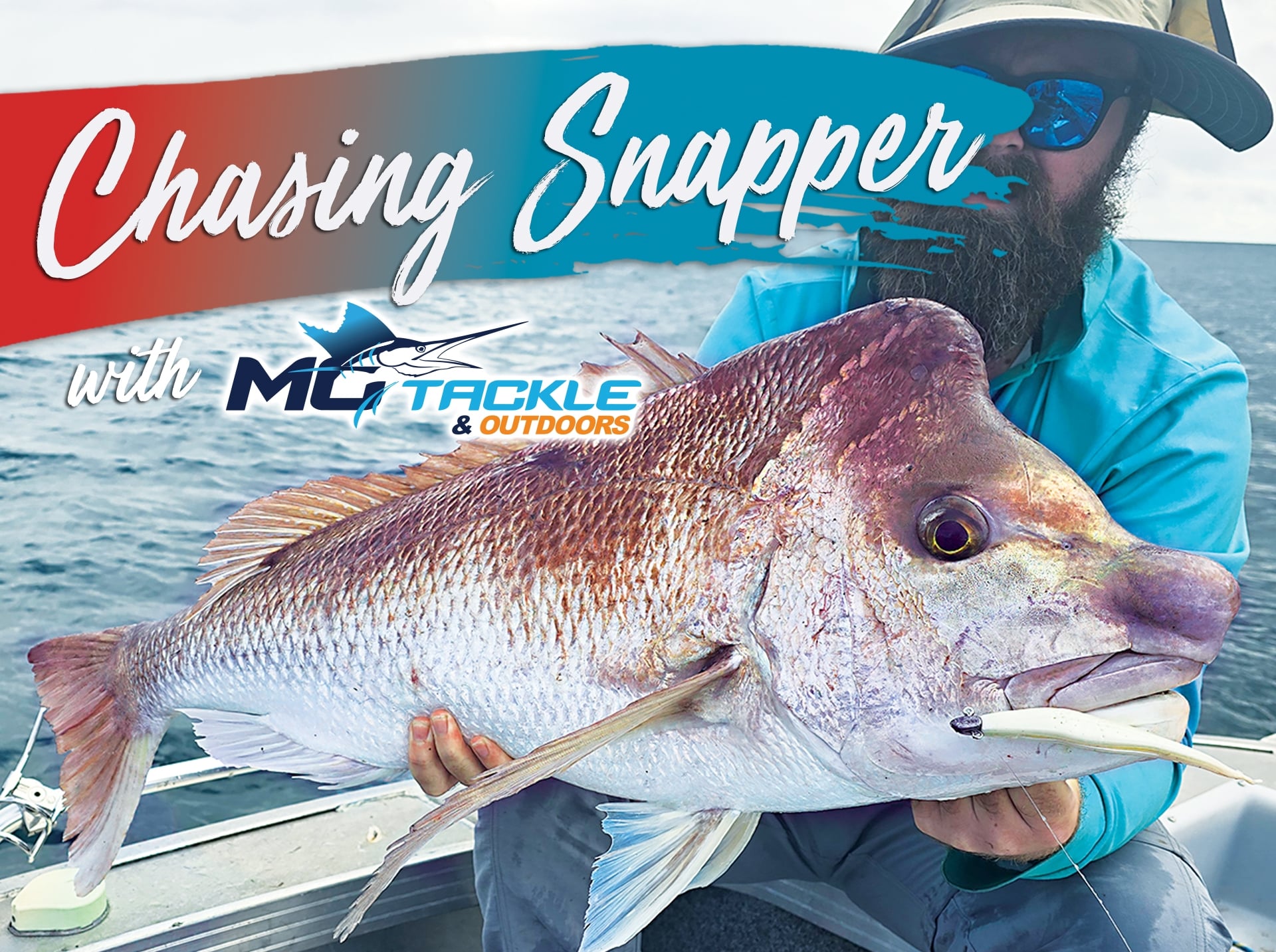
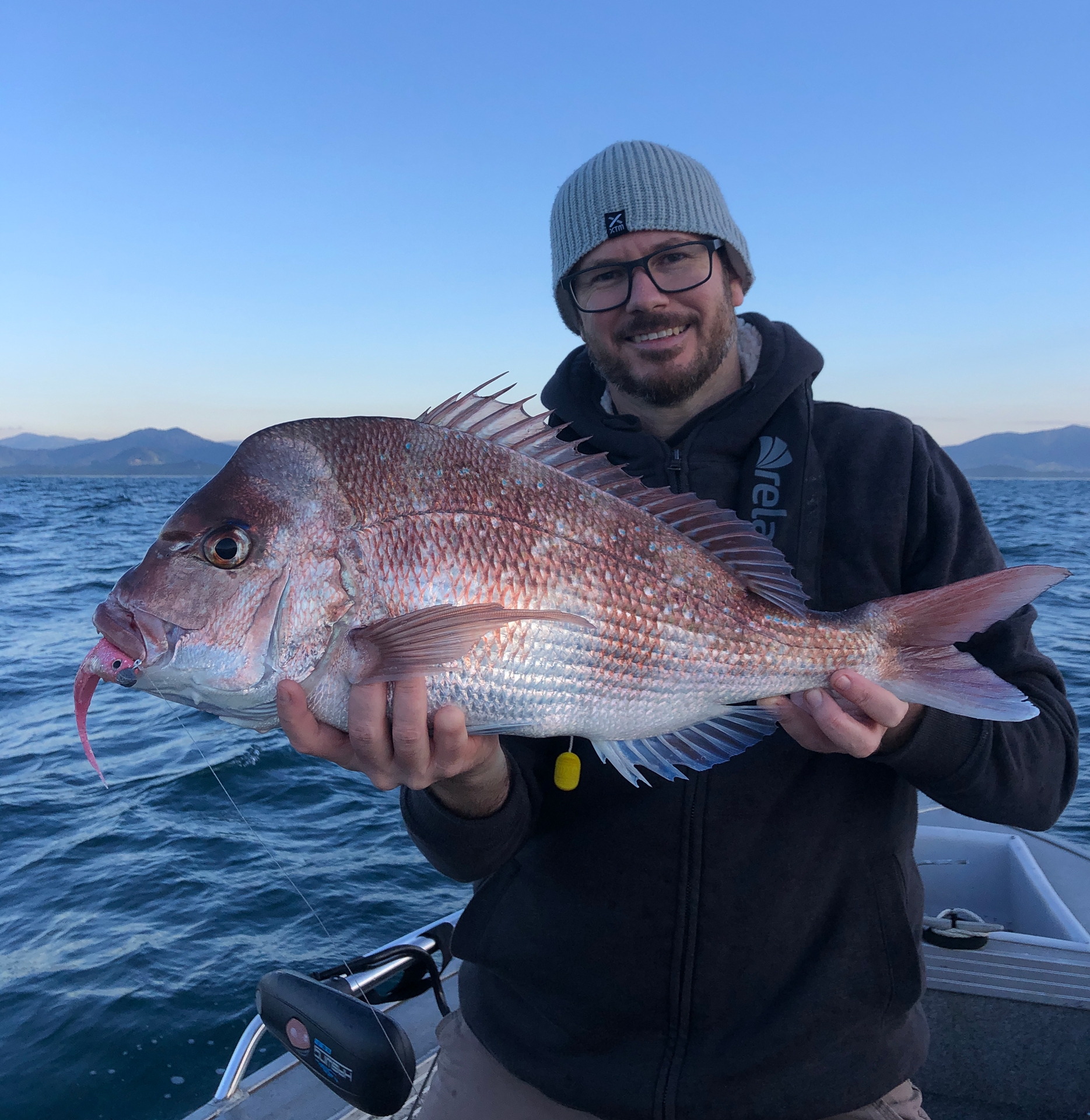
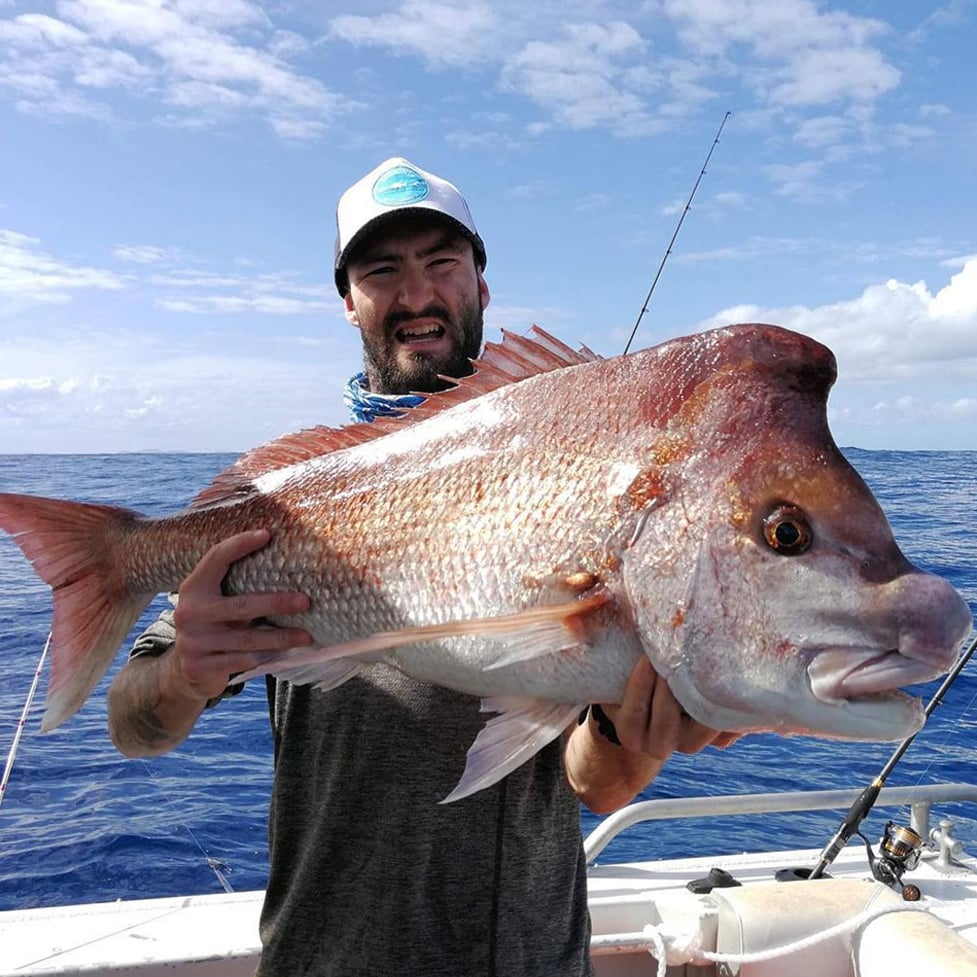
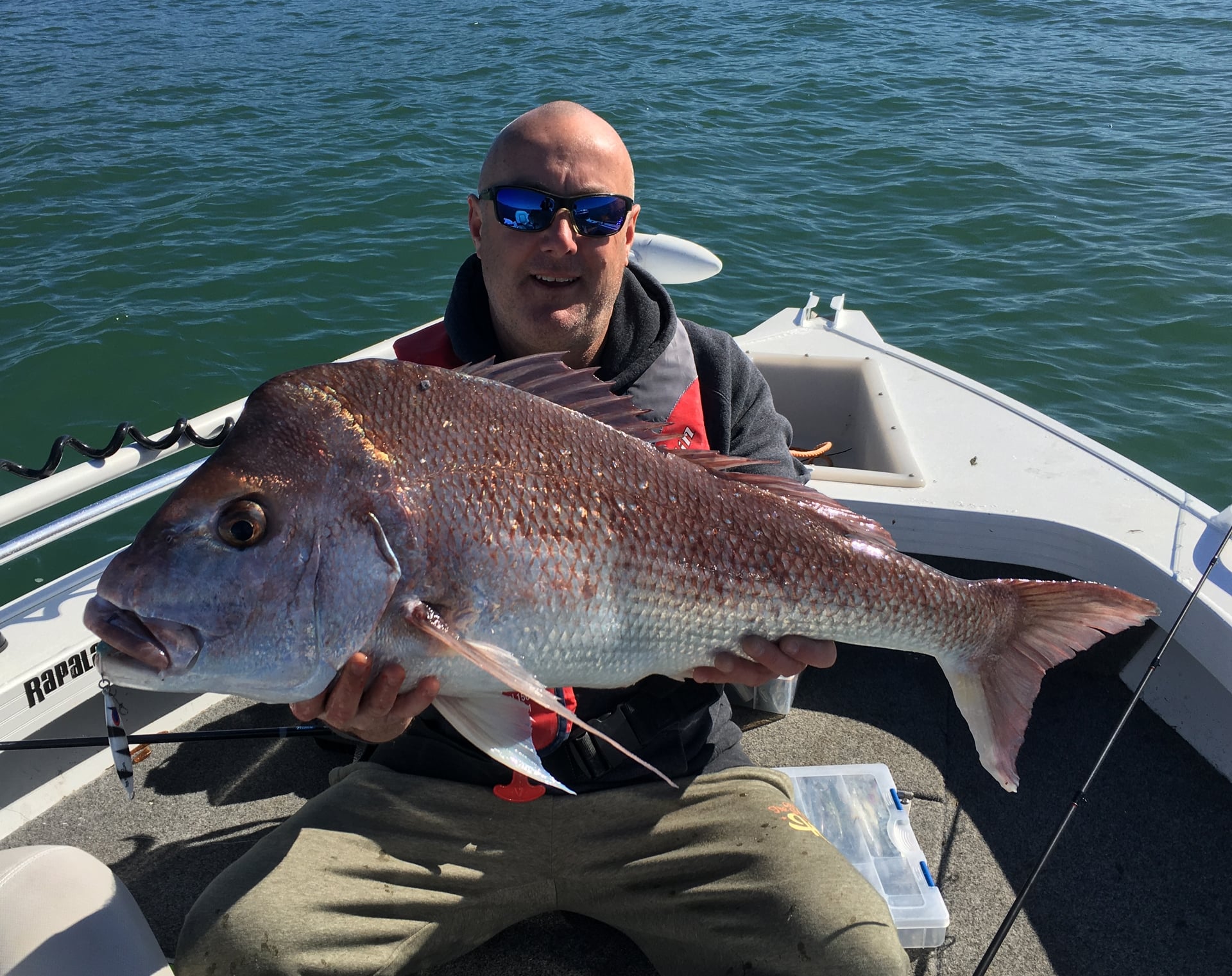
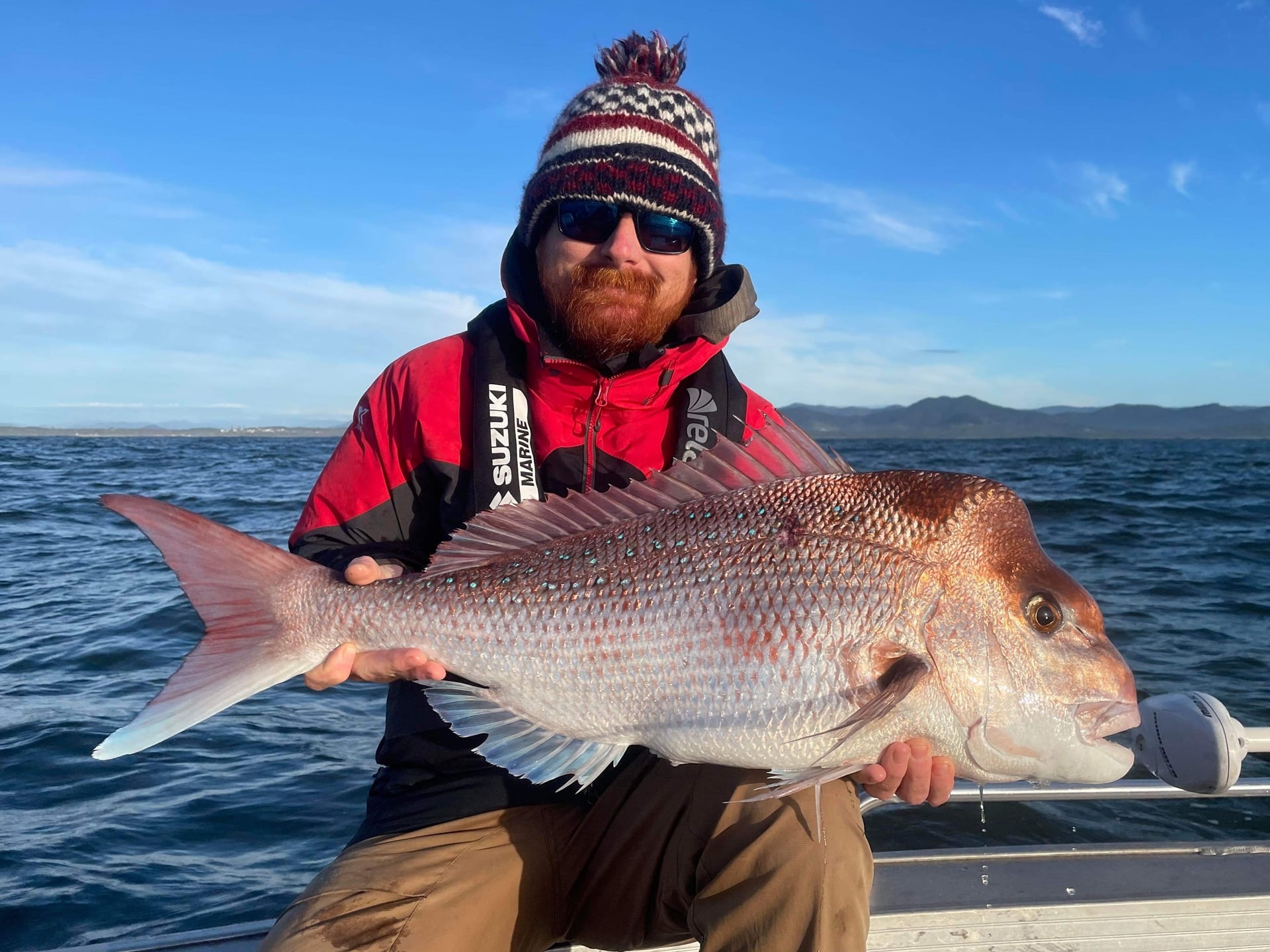
Snapper are characterised by their distinctive red or pinkish body with a prominent hump on its head, especially in their later stages of life. They have sharp teeth and powerful jaws, which they use to crush prey. Juvenile snapper are often more colourful when compared to adults.
- Habitat: Snapper are found in a variety of habitats, including rocky reefs, sandy bottoms and seagrass beds. They prefer areas with structure such as reefs, wrecks, and rocky outcrops, where they can find shelter and ambush prey.
- Behaviour: Snapper are opportunistic predators that feed on a variety of prey, including fish, crustaceans, and squid. They are most active during dawn and dusk but can also be caught throughout the day, especially in low-light conditions.
Techniques
- Bottom Fishing: Bottom fishing is one of the most effective techniques for targeting snapper. Use a medium to heavy rod and reel combo with a braided line and a fluorocarbon leader. Rig a sliding sinker setup with a circle hook or a snelled hook. Bait options include live or cut bait such as pilchards, squid, mullet, or prawns.
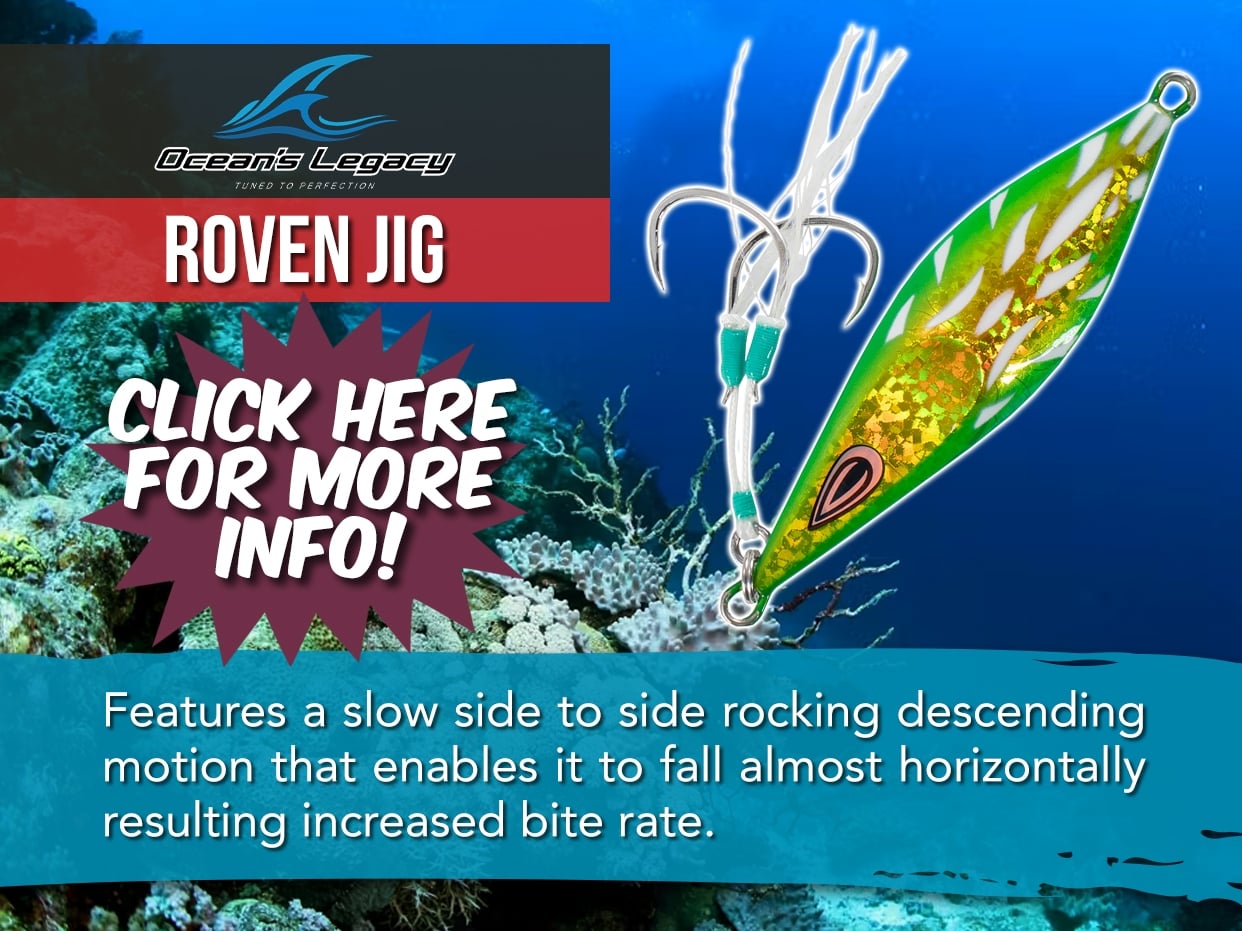
- Jigging: Vertical jigging can be highly productive when snapper are holding near structure or over deeper water. Use metal jigs in various colours and weights to imitate baitfish. Drop the jig to the bottom and then work it vertically using a stop, start technique while winding, or with sharp jerks and pauses to entice strikes.
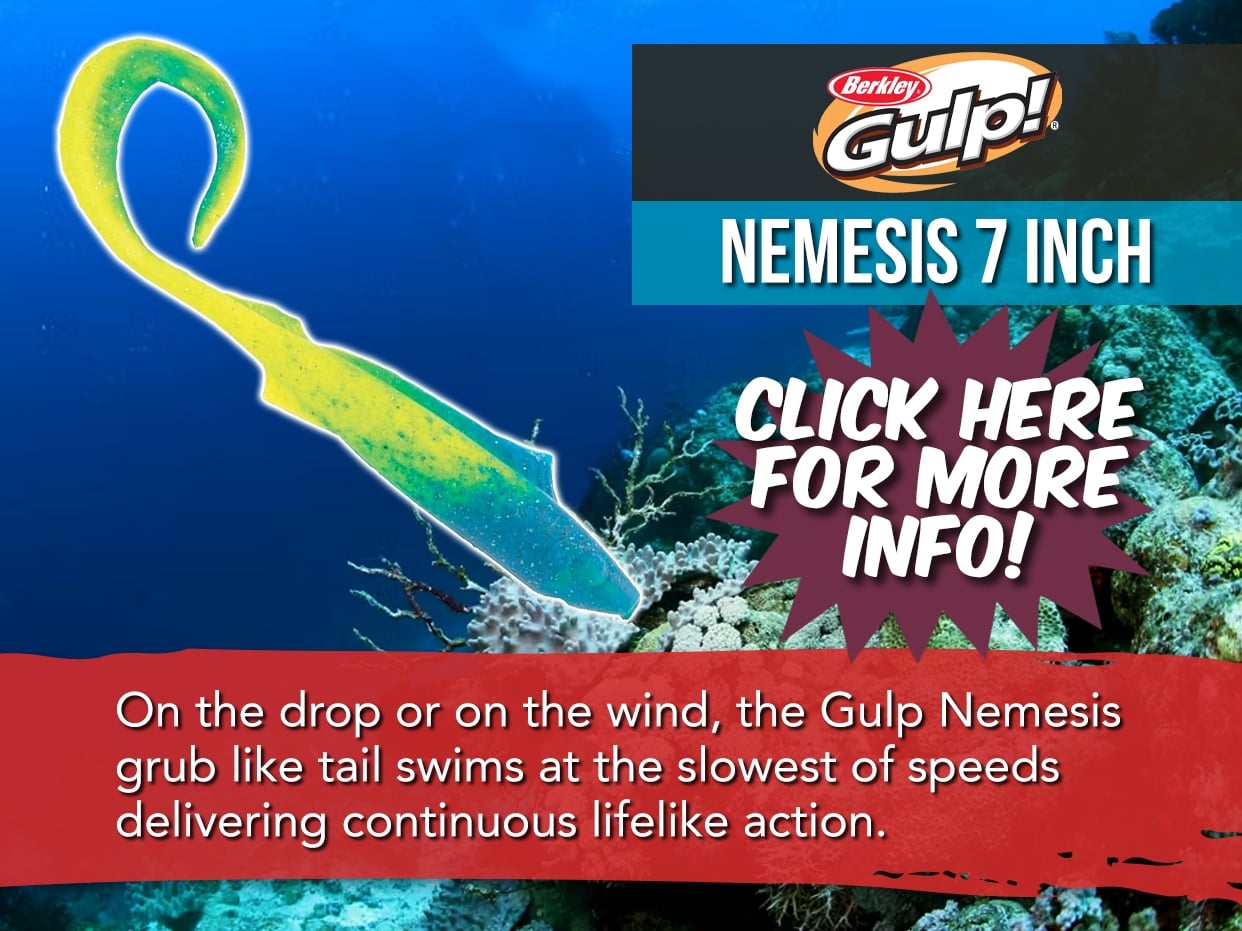
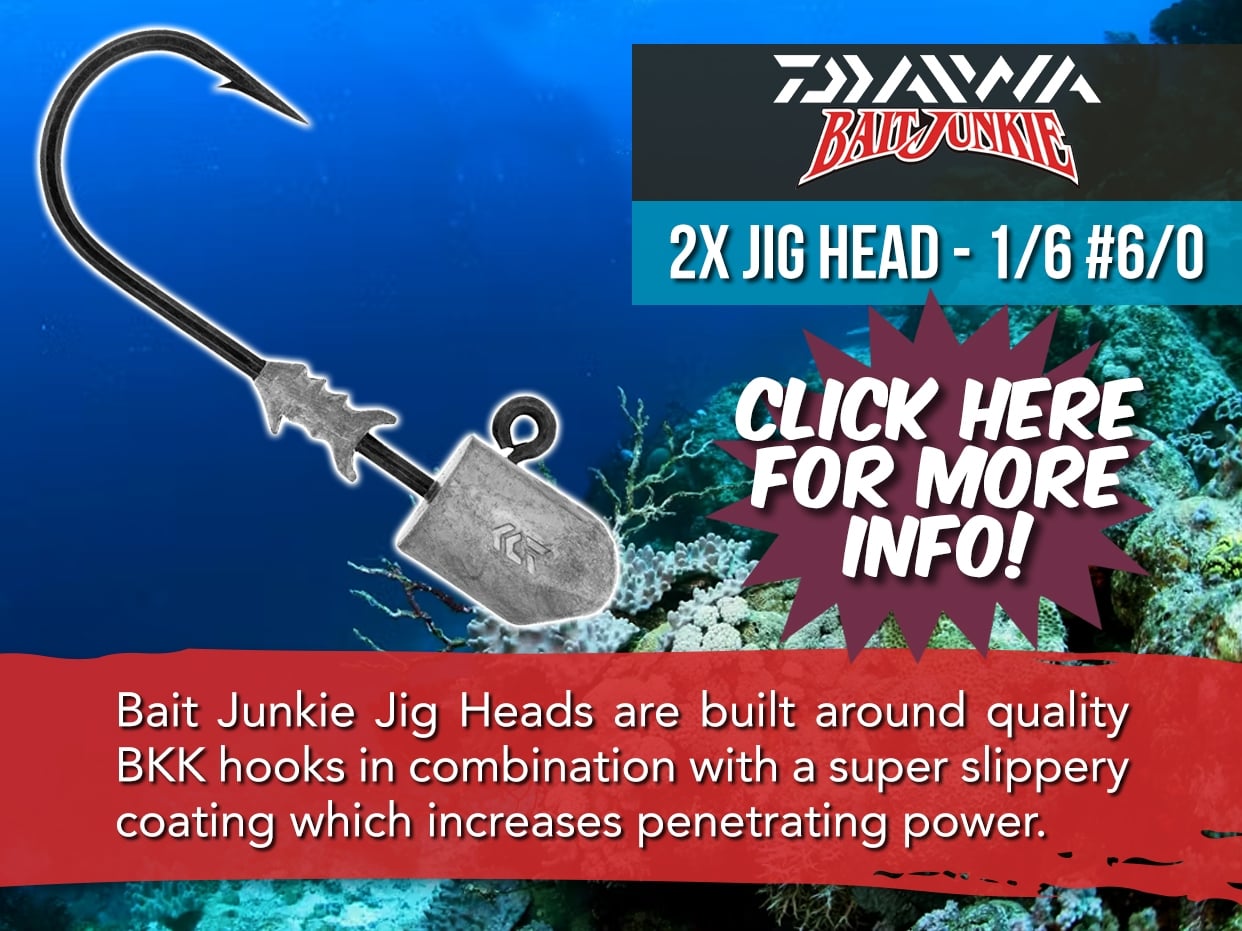
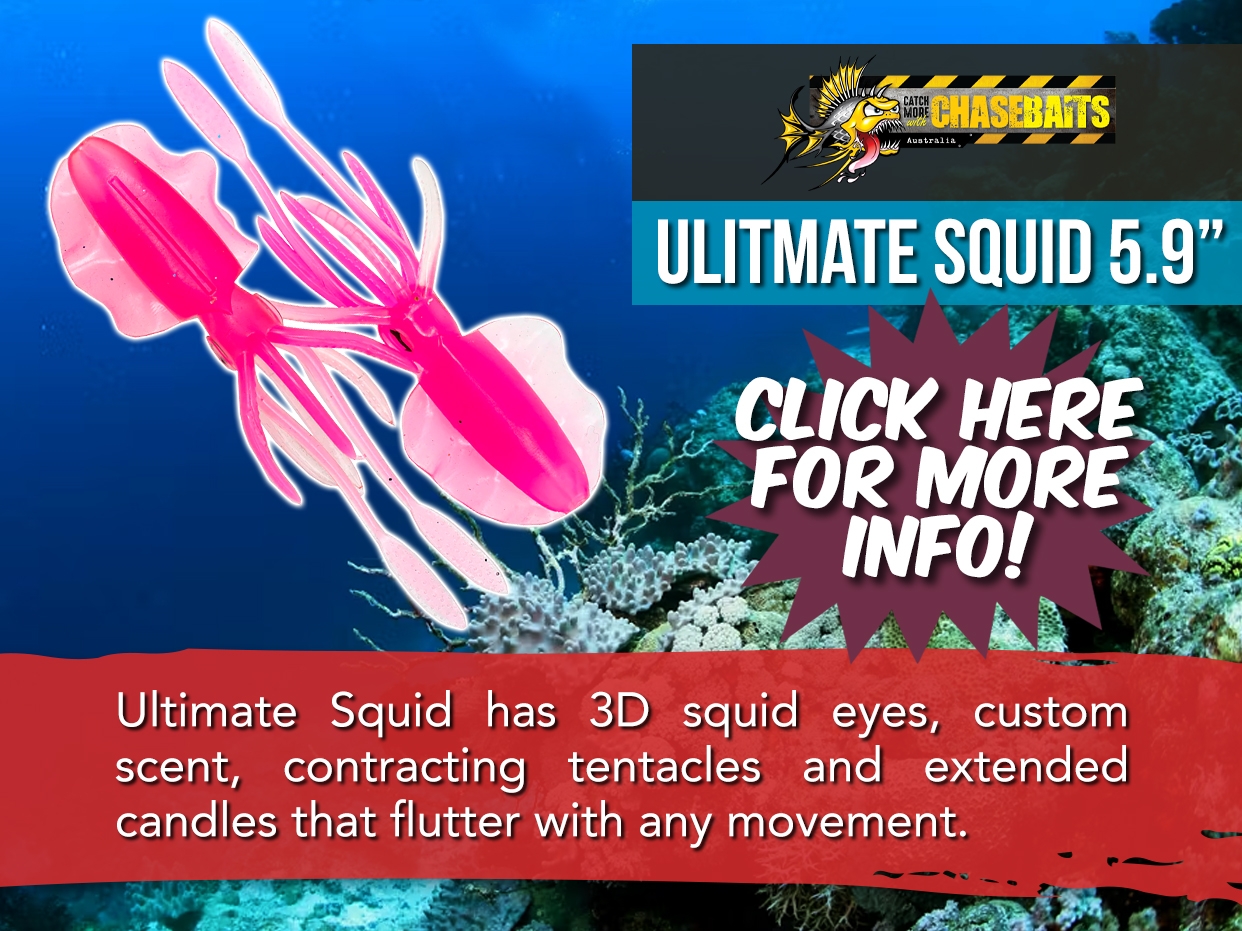
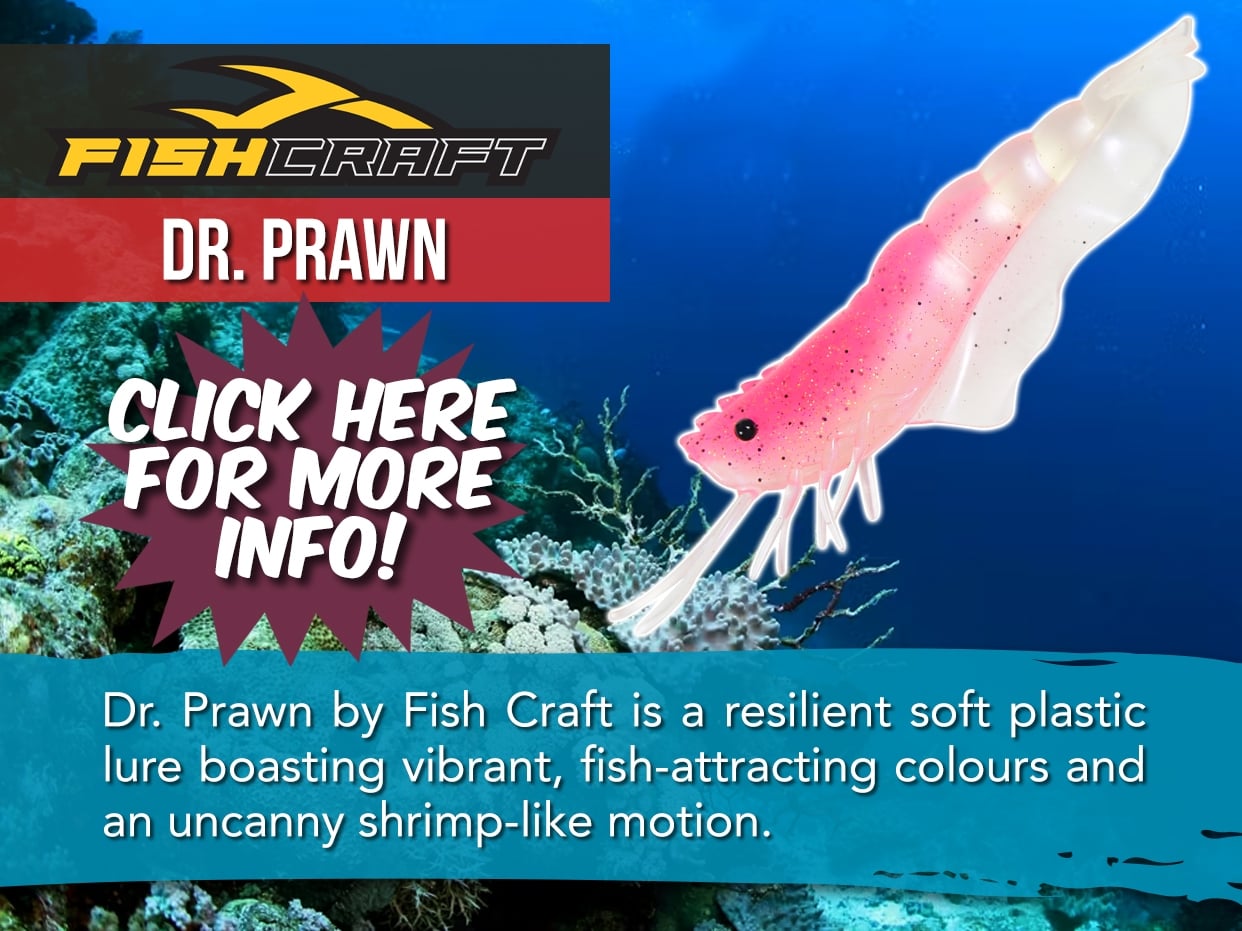
- Soft Plastic Lures: Soft plastic lures such as jerkbaits, grubs, paddle tails, and prawn imitations, can be especially effective for targeting snapper in shallow and deeper water or when fishing around structure. Rig them on a jig head and cast the plastic out, often you get the bite on the drop, if not work the plastic slowly along the bottom. Try to mimic injured baitfish or crustaceans.
Tips For Success
- Locate Structure: Snapper are often found near underwater structures such as reefs, wrecks, rock ledges, and artificial reefs. Use nautical charts, fish finders, or local knowledge to identify promising fishing spots. Look for areas with changes in depth, current breaks, and baitfish activity.
- Time Your Fishing: Snapper are most active during dawn and dusk when they are actively feeding. Plan your fishing trips accordingly to maximise your chances of success. However, snapper can also be caught during the day on high and low tide changes, especially on overcast days or in low-light conditions.
- Use Fresh Bait: Snapper have a keen sense of smell and are attracted to fresh, natural baits. Whenever possible, use live bait or fresh cut bait to entice bites. Experiment with different bait options to see what the snapper in your area prefer
- Be Patient & Persistent:- Snapper can be wary and selective feeders, so it's important to be patient and persistent when fishing for them. Keep your bait in the strike zone and be prepared to wait for the bite. If you don't get a bite in one spot, try moving to a different location or adjusting your presentation.
- Handle With Care: When handling snapper, use wet hands or a wet towel to avoid removing their protective slime coat, which can make them more susceptible to infections. Practice catch-and-release techniques for undersized or protected fish to help conserve the population for future generations.
|